
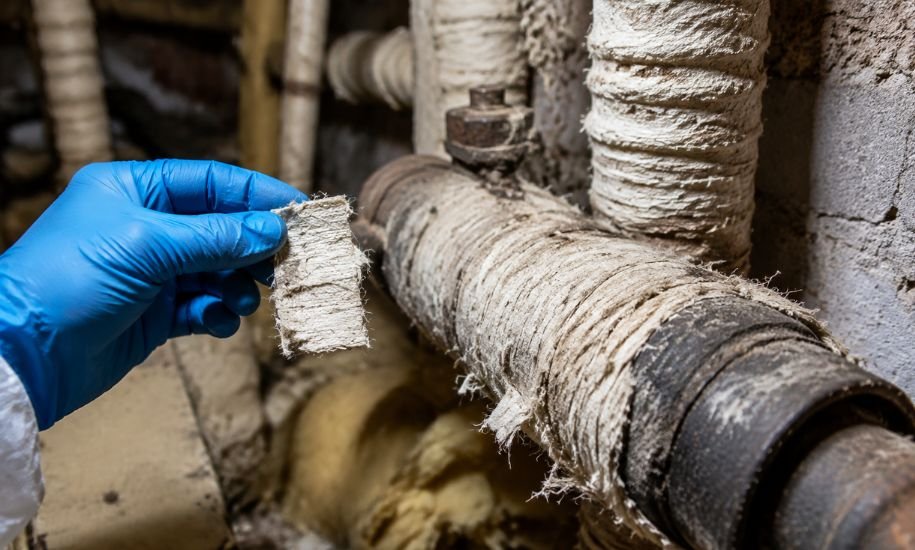
Buildings constructed decades ago often contain materials that were once considered highly innovative but are now recognized as potential health hazards. One such material is asbestlint, a term commonly associated with asbestos-containing tape, woven insulation, or fibrous material used for heat and fire resistance. Although these products were valued for their durability and insulating properties, growing awareness of asbestos-related diseases has changed how they are managed today. Understanding where these materials were used, why they can become dangerous, and how they should be handled is essential for homeowners, contractors, and anyone involved in renovating older properties.
What Is Asbestlint?
Asbestlint generally refers to asbestos-containing strips, tapes, ropes, or cloth-like insulation materials that were widely installed throughout the twentieth century. These products were manufactured by weaving asbestos fibers into flexible forms capable of withstanding extremely high temperatures.
Unlike loose insulation, these materials were often wrapped around hot pipes, boilers, furnaces, and industrial equipment. Their ability to resist fire, chemicals, and heat made them a practical solution before the health risks of asbestos exposure became widely understood.
Today, intact asbestos-containing materials usually present little immediate danger. Problems arise when they deteriorate or are disturbed, allowing microscopic fibers to enter the surrounding air.
Why Was It Used So Widely?
For many years, asbestos was considered one of the most effective insulation materials available. Manufacturers appreciated its unique combination of qualities, including:
- Exceptional heat resistance
- Fire protection
- High durability
- Chemical resistance
- Long service life
- Excellent insulation performance
Because of these advantages, asbestos products became standard components in residential, commercial, and industrial construction during much of the twentieth century.
Common Applications
Many older structures still contain asbestos-based materials in locations that are rarely visible during everyday use.
Some of the most common applications include:
Pipe Insulation
Heating systems often featured asbestos tape or cloth wrapped around hot water and steam pipes to minimize heat loss and improve energy efficiency.
Boiler and Furnace Protection
Industrial boilers and residential furnaces frequently relied on asbestos insulation because temperatures could exceed the limits of conventional materials available at the time.
Mechanical Equipment
Factories installed asbestos insulation around pumps, valves, turbines, and other machinery exposed to continuous heat.
Electrical Installations
Electrical wiring and high-temperature components occasionally included asbestos products to reduce fire risks.
Fireproof Barriers
Fire-resistant walls, doors, and equipment sometimes incorporated asbestos fabrics or woven insulation as additional protection.
Where Can It Still Be Found?
Many countries banned or restricted asbestos decades ago, but older buildings may still contain original materials.
Possible locations include:
- Older homes
- Apartment buildings
- Schools
- Hospitals
- Factories
- Warehouses
- Shipyards
- Mechanical rooms
- Ceiling cavities
- Utility tunnels
- Heating systems
- Industrial plants
The presence of asbestos cannot usually be confirmed through appearance alone. Professional inspection and laboratory analysis are often required.
Why Can It Become Dangerous?
The greatest concern is not the material itself but the tiny fibers released when it becomes damaged.
Activities such as drilling, sanding, cutting, demolishing, or removing old insulation can release microscopic asbestos fibers into the air. Because these fibers are extremely small, they are easily inhaled without being noticed.
Once inside the lungs, they can remain for decades, gradually causing inflammation and permanent tissue damage.
Health Risks Associated with Exposure
Medical research has linked prolonged or repeated asbestos exposure to several serious illnesses.
Asbestosis
This chronic lung disease develops when inhaled fibers cause scarring within lung tissue, making breathing increasingly difficult over time.
Lung Cancer
Long-term exposure significantly increases the likelihood of developing lung cancer, particularly among individuals who also smoke.
Mesothelioma
Mesothelioma is a rare but aggressive cancer affecting the lining surrounding the lungs, abdomen, or heart. It is strongly associated with asbestos exposure and often develops many years after initial contact.
Pleural Disease
Some individuals develop thickening or plaques on the lining of the lungs, reducing lung flexibility and overall respiratory function.
One of the most concerning aspects of asbestos-related diseases is their long latency period. Symptoms may not appear until 20 to 50 years after exposure.
How Does Exposure Usually Occur?
Exposure most commonly occurs when aging materials are disturbed during construction or renovation projects.
Examples include:
- Home remodeling
- Building demolition
- Pipe replacement
- Ceiling removal
- Boiler maintenance
- Industrial repairs
- Roofing work
- Wall renovations
Even small projects can release fibers if asbestos-containing materials are accidentally damaged.
Signs That Older Materials May Contain Asbestos
Although only laboratory testing can provide certainty, several characteristics may indicate that further investigation is needed.
Potential warning signs include:
- Gray or white fibrous wrapping around pipes
- Worn insulation tape
- Crumbling boiler insulation
- Frayed woven cloth
- Aging thermal insulation
- Dust surrounding damaged insulation materials
If any of these materials are discovered, they should never be handled without proper precautions.
Safe Handling Practices
When asbestos-containing materials are suspected, avoiding unnecessary disturbance is the safest approach.
Recommended practices include:
- Leave intact materials undisturbed whenever possible.
- Prevent access to damaged areas.
- Avoid drilling, cutting, or sanding suspected materials.
- Never sweep asbestos dust with a dry broom.
- Do not use ordinary household vacuum cleaners.
- Arrange professional inspection and laboratory testing.
- Follow all local regulations regarding removal and disposal.
Licensed asbestos professionals use specialized protective equipment and controlled removal procedures designed to minimize airborne fibers.
Modern Alternatives
Advances in material science have provided several safer replacements for asbestos insulation.
Common alternatives include:
Fiberglass Insulation
Widely used in homes and commercial buildings, fiberglass provides effective thermal insulation without the health risks associated with asbestos.
Mineral Wool
Mineral wool offers excellent fire resistance while maintaining strong insulating performance.
Ceramic Fiber Products
Industries requiring extreme heat resistance often use ceramic fiber insulation as a modern substitute.
High-Temperature Silicone and Fiberglass Tapes
Modern sealing tapes provide durability for industrial applications without relying on asbestos fibers.
These materials deliver comparable performance while meeting current health and safety standards.
Should You Remove Old Asbestos Materials?
Removal is not always necessary.
If asbestos-containing materials remain in good condition and are unlikely to be disturbed, many safety authorities recommend leaving them in place while monitoring their condition.
Removal becomes appropriate when:
- Materials are deteriorating.
- Renovation will disturb the area.
- Building damage has exposed insulation.
- Professional inspection recommends replacement.
Every situation should be evaluated individually to minimize unnecessary exposure.
Conclusion
Although asbestlint played an important role in construction and industrial development for many decades, modern understanding of asbestos-related diseases has fundamentally changed how these materials are managed. Identifying potential asbestos-containing products, recognizing situations that create exposure risks, and relying on qualified professionals for inspection or removal are essential steps toward protecting health. Whether you own an older property or work in renovation, informed decision-making is the best defense against unnecessary asbestos exposure.
At Industrial Ends, we strive to publish practical, well-researched articles that help readers understand industrial materials, workplace safety, and modern construction practices with clarity and accuracy.