
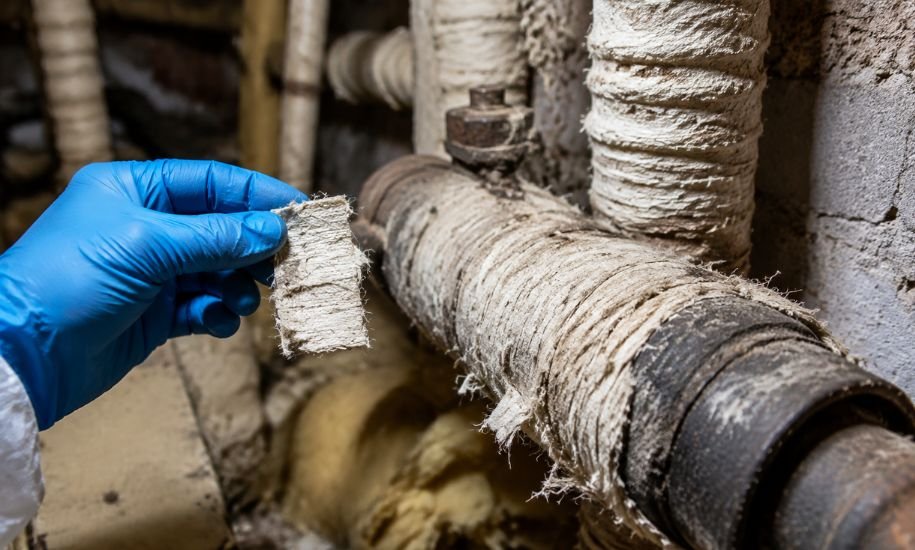
Older buildings often contain construction materials that were once praised for their strength, durability, and heat resistance but are now recognized as potential health concerns. One example is asbestlint, a term generally used to describe asbestos-containing tapes, woven strips, cloth-like materials, or flexible insulation products made with asbestos fibers.
For much of the twentieth century, asbestos-based materials were considered advanced solutions for insulation and fire protection. Their ability to withstand extreme temperatures made them common in homes, factories, ships, heating systems, and industrial equipment.
Today, the approach toward these materials has changed significantly. The main concern is not necessarily the presence of asbestos itself, but the possibility that damaged or disturbed materials may release microscopic fibers into the air.
Understanding what asbestlint is, where it may be found, why it can become dangerous, and how it should be managed is important for homeowners, renovation workers, contractors, and property managers.
What Is Asbestlint?
Asbestlint refers to flexible asbestos-containing materials such as:
- Insulation tape
- Woven asbestos cloth
- Fibrous strips
- Heat-resistant wrapping materials
These products were manufactured by combining asbestos fibers into a flexible structure that could be wrapped around pipes, machinery, and high-temperature components.
Unlike rigid asbestos products, asbestlint was designed to provide flexibility while maintaining heat resistance. This made it especially useful in areas where traditional insulation materials were difficult to install.
Common characteristics included:
- High temperature resistance
- Fire protection capability
- Mechanical durability
- Resistance to many chemicals
- Long service life
However, the same fibrous structure that made asbestos useful also created concerns because damaged fibers can become airborne.
Why Was Asbestlint Used in Construction and Industry?
Before the health risks of asbestos exposure were widely recognized, asbestos was considered a valuable industrial material.
Manufacturers and builders used it because it offered a rare combination of properties:
Excellent Heat Resistance
Asbestos fibers could withstand extremely high temperatures, making them suitable for boilers, furnaces, and industrial heating systems.
Fire Protection
Because asbestos does not burn easily, it was commonly included in fire-resistant materials.
Durability
Asbestos products often remained functional for many years with minimal maintenance.
Flexible Installation
Woven asbestos tape and cloth could be wrapped around irregular shapes, pipes, and machinery components.
These advantages explain why asbestos-containing materials became common throughout the twentieth century.
Common Uses of Asbestlint
Asbestlint was used in many applications where heat protection and insulation were required.
Pipe Insulation
One of the most common uses was wrapping around:
- Steam pipes
- Hot water pipes
- Heating systems
- Industrial pipelines
The material helped reduce heat loss and protected workers from hot surfaces.
Boilers and Furnaces
Heating equipment often contained asbestos-based insulation because operating temperatures could exceed the limits of many alternative materials available at the time.
Industrial Machinery
Factories used asbestos materials around:
- Valves
- Pumps
- Turbines
- Engines
- High-temperature equipment
The purpose was to protect machinery and improve thermal efficiency.
Electrical Applications
Some electrical systems used asbestos-containing components because of their fire-resistant properties.
Fire Protection Systems
Asbestos fabrics and insulation products were sometimes incorporated into:
- Fire barriers
- Protective curtains
- Industrial safety equipment
Where Can Asbestlint Still Be Found Today?
Although many countries have restricted or banned asbestos use, older buildings may still contain original asbestos materials.
Possible locations include:
- Homes built before asbestos restrictions
- Commercial buildings
- Schools
- Hospitals
- Factories
- Warehouses
- Ship-related structures
- Heating rooms
- Mechanical spaces
- Industrial facilities
The challenge is that asbestos-containing materials often look similar to non-asbestos products.
A material’s appearance alone cannot confirm whether asbestos is present. Professional inspection and laboratory testing are usually required for accurate identification.
Why Is Asbestlint Dangerous?
The main risk comes from asbestos fibers becoming airborne.
When asbestos-containing materials remain intact and undamaged, the immediate risk is generally lower. However, problems can occur when the material is:
- Cut
- Drilled
- Sanded
- Broken
- Removed incorrectly
- Damaged by aging or moisture
These actions can release extremely small fibers that may be inhaled.
Because asbestos fibers can remain in the body for many years, exposure concerns often involve long-term health effects.
Health Risks Linked to Asbestos Exposure
Long-term asbestos exposure has been associated with several serious respiratory diseases.
Asbestosis
Asbestosis is a chronic lung condition caused by scarring of lung tissue after asbestos fiber exposure.
Possible symptoms include:
- Shortness of breath
- Persistent coughing
- Reduced lung function
Lung Cancer
Repeated asbestos exposure increases the risk of lung cancer, especially when combined with other risk factors such as smoking.
Mesothelioma
Mesothelioma is a rare cancer affecting protective tissues around organs, especially the lining of the lungs.
It is strongly associated with asbestos exposure and may develop many years after initial exposure.
Pleural Conditions
Some people exposed to asbestos develop changes affecting the lining around the lungs, which may impact respiratory health.
Why Are Asbestos Diseases Difficult to Detect Early?
One major concern with asbestos exposure is the long delay between exposure and disease development.
Health problems may appear decades after initial contact.
This long latency period means that:
- Past workplace exposure can still matter today.
- Older renovation projects may carry hidden risks.
- Prevention and careful handling remain important.
How Does Asbestlint Exposure Usually Happen?
Most exposure occurs during activities that disturb old materials.
Examples include:
- Home renovations
- Demolition work
- Pipe replacement
- Heating system repairs
- Ceiling modifications
- Industrial maintenance
- Building upgrades
A person may not realize exposure is occurring because asbestos fibers are microscopic and often invisible.
Warning Signs of Possible Asbestos Materials
Only testing can confirm asbestos content, but certain conditions may justify further investigation.
Possible warning signs include:
- Old fabric-like insulation around pipes
- Damaged thermal wrapping
- Crumbling insulation near boilers
- Gray or white fibrous materials
- Aging heat-resistant tape
- Dust from deteriorating insulation
If suspicious material is found, avoid disturbing it until it has been properly assessed.
Safe Handling Guidelines
If you suspect asbestlint or another asbestos-containing material, the safest approach is prevention.
Recommended actions include:
Avoid Disturbing the Material
Do not:
- Cut it
- Drill into it
- Break it apart
- Remove it without proper training
Prevent Fiber Release
Avoid activities that create dust, including:
- Dry sweeping
- Sanding
- Using standard household vacuum cleaners
Arrange Professional Inspection
Qualified asbestos professionals can:
- Identify materials
- Collect samples safely
- Recommend appropriate action
Follow Local Regulations
Asbestos removal and disposal rules vary by location. Professional handling helps ensure compliance with safety requirements.
Modern Alternatives to Asbestlint
Today, industries use safer materials that provide similar insulation and heat resistance.
Common alternatives include:
Fiberglass Insulation
Used widely for residential and commercial insulation.
Benefits:
- Good thermal performance
- Affordable
- Widely available
Mineral Wool
Mineral wool provides:
- Fire resistance
- Thermal insulation
- Sound reduction
Ceramic Fiber Materials
Used in applications requiring extremely high temperature resistance.
Silicone and Fiberglass-Based Tapes
Modern industrial tapes can provide heat resistance without asbestos fibers.
Should Old Asbestos Materials Always Be Removed?
Not necessarily.
In many situations, intact asbestos-containing materials may be safer when left undisturbed.
Removal may be considered when:
- Materials are damaged
- Renovation work will disturb them
- Fibers may become airborne
- Professional assessment recommends removal
A careful evaluation is usually better than unnecessary disturbance.
What Should Property Owners Do?
If you own an older building, practical steps include:
- Identify the building’s construction history.
- Avoid disturbing suspicious insulation materials.
- Arrange professional testing if needed.
- Inform contractors about possible asbestos materials.
- Keep records of inspections and repairs.
Awareness is one of the most effective ways to reduce risk.
FAQ
Is asbestlint still used today?
In many regions, asbestos-containing materials are restricted or banned. Modern industries typically use safer alternatives.
Can I identify asbestlint by appearance?
No. Visual inspection alone cannot confirm asbestos content. Professional testing is required.
Is intact asbestlint dangerous?
Intact asbestos materials generally present less risk than damaged materials, but their condition should still be monitored.
Should I remove asbestos materials myself?
No. Improper removal can release harmful fibers. Professional assessment is recommended.
Final Thoughts
Asbestlint represents an important example of how industrial materials can change from widely accepted innovations to carefully managed safety concerns. While asbestos products provided valuable heat and fire protection for decades, modern knowledge has changed how these materials are handled.
For homeowners, contractors, and industrial workers, the most important steps are recognizing possible asbestos-containing materials, avoiding unnecessary disturbance, and seeking professional guidance when needed.
Responsible identification and careful management remain the best ways to protect health while preserving the safety of older buildings.