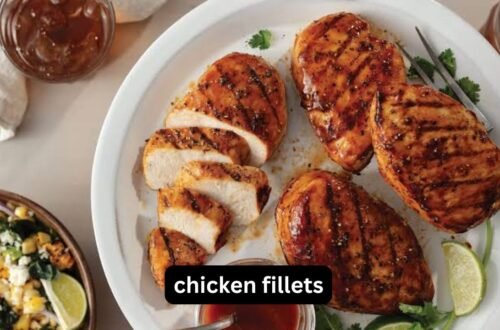

Trying to eat more protein can sound simple until you actually plan a full week of meals. Breakfast needs to be filling, lunch has to survive a busy workday, dinner should not take an hour to prepare, and snacks can quickly turn into extra calories. A good high protein meal plan solves that problem by making protein a practical part of every meal rather than something you have to think about constantly.
The goal is not to eat enormous portions of chicken or survive on protein shakes. A useful plan combines protein-rich foods with vegetables, fruit, whole grains or other carbohydrates, and sensible amounts of dietary fat. This makes meals easier to sustain and can be particularly useful when your goal is weight management.
This guide provides a flexible seven-day plan, including low-calorie, low-budget and vegetarian options. It also explains how to adjust portions for your needs, what to look for in a meal delivery service, and the mistakes that often make supposedly “high-protein” diets unnecessarily expensive or difficult.
What Is a High Protein Meal Plan?
A high protein meal plan deliberately includes a meaningful protein source at most meals and snacks.
Common choices include:
- Eggs and egg whites
- Chicken and turkey
- Fish and seafood
- Lean beef
- Greek yogurt or skyr
- Cottage cheese
- Milk
- Tofu and tempeh
- Lentils, beans and chickpeas
- Edamame
- Protein-rich whole grains
- Protein powder when convenient
Protein is important for maintaining and repairing body tissues, including muscle. It is also relatively filling, which is one reason protein-rich meals can be useful when trying to control appetite.
However, “high protein” does not automatically mean “healthy” or “good for weight loss.” A meal containing a large amount of cheese, processed meat or a calorie-dense sauce can provide plenty of protein while also supplying far more calories than you intended.
How Much Protein Do You Need?
There is no single protein target that suits everyone. Your body size, activity level, age, training, overall diet and health goals all matter.
For someone trying to lose weight while maintaining muscle, a higher-protein diet can be particularly useful when combined with resistance training and an appropriate calorie intake.
Rather than obsessing over one perfect number, a practical approach is to make protein the anchor of each main meal.
For example:
Breakfast: Greek yogurt + berries + oats
Lunch: Chicken + rice + vegetables
Dinner: Salmon + potatoes + vegetables
Snack: Cottage cheese + fruit
This is usually easier to maintain than trying to calculate every gram of protein throughout the day.
7-Day High Protein Meal Plan
The following plan is designed as a flexible starting point rather than a prescription. Adjust portion sizes according to your calorie and protein requirements.
Day 1
Breakfast:
Greek yogurt with oats, berries and a small handful of nuts.
Lunch:
Grilled chicken breast, brown rice and mixed vegetables.
Snack:
Two boiled eggs and a piece of fruit.
Dinner:
Salmon with roasted potatoes and broccoli.
Practical tip: Cook extra chicken and rice at lunch so tomorrow’s meal requires almost no preparation.
Day 2
Breakfast:
Three-egg vegetable omelette with whole-grain toast.
Lunch:
Tuna and bean salad with tomatoes, cucumber, lettuce and a yogurt-based dressing.
Snack:
Skyr or Greek yogurt with berries.
Dinner:
Lean beef stir-fry with vegetables and rice.
Budget tip: Frozen vegetables work extremely well in stir-fries and can cost less than buying several fresh vegetables individually.
Day 3
Breakfast:
Overnight oats made with milk, Greek yogurt and berries.
Lunch:
Chicken and chickpea wrap with salad vegetables and a light yogurt sauce.
Snack:
Cottage cheese with sliced fruit.
Dinner:
Turkey or lean beef chilli with kidney beans and vegetables.
The beans increase fibre and protein while also making the meal more filling without requiring a huge amount of meat.
Day 4
Breakfast:
Scrambled eggs with whole-grain toast and a side of fruit.
Lunch:
Leftover chilli served with rice and vegetables.
Snack:
Greek yogurt or a protein shake.
Dinner:
Baked white fish with potatoes, peas and a large portion of vegetables.
White fish can be particularly useful when creating a low-calorie high-protein meal because it generally provides substantial protein without a large amount of fat.
Day 5
Breakfast:
Greek yogurt bowl with banana, oats and a small amount of peanut butter.
Lunch:
Chicken salad with lettuce, cucumber, tomatoes, sweetcorn and boiled eggs.
Snack:
Cottage cheese and fruit.
Dinner:
Chicken fajita bowl with peppers, onions, beans, rice and salsa.
Instead of loading the bowl with cheese and sour cream, use salsa, herbs and a yogurt-based sauce for flavour.
Day 6
Breakfast:
Egg and vegetable breakfast wrap.
Lunch:
Lentil and chicken soup with whole-grain bread.
Snack:
Skyr or Greek yogurt with fruit.
Dinner:
Lean beef, turkey or tofu stir-fry with mixed vegetables and noodles or rice.
Meal-prep tip: Make enough dinner for two servings. Having tomorrow’s lunch already prepared is one of the easiest ways to stay consistent.
Day 7
Breakfast:
Protein pancakes made with eggs, oats and Greek yogurt, served with berries.
Lunch:
Tuna, egg and potato salad with plenty of vegetables.
Snack:
Greek yogurt with fruit or a small protein shake.
Dinner:
Roast chicken with potatoes, carrots, broccoli and peas.
Finish the week by checking what ingredients remain. Leftover vegetables, cooked grains, eggs and dairy products can often be combined into simple meals instead of being wasted.
High Protein Meal Plan for Weight Loss
A high-protein diet can support weight loss, but protein itself does not cause fat loss. The overall energy balance of your diet still matters.
The most useful strategy is to build meals that are high in protein, rich in fibre and reasonably low in calorie density.
A simple plate can look like this:
- ¼ plate: protein-rich food
- ¼ plate: potatoes, rice, whole grains or another carbohydrate
- ½ plate: vegetables or salad
- Small amount of healthy fat or dressing
For example, grilled chicken with a large serving of vegetables and a moderate portion of potatoes is generally easier to fit into a calorie-controlled diet than a huge chicken sandwich loaded with mayonnaise and cheese.
High Protein, Low Calorie Food Choices
Good options include:
- Chicken breast
- Turkey breast
- Tuna
- White fish
- Prawns
- Eggs
- Egg whites
- Skyr
- Low-fat Greek yogurt
- Cottage cheese
- Tofu
- Lentils
- Beans
- Edamame
One useful but often overlooked trick is to measure calorie-dense extras rather than eliminating them. Olive oil, peanut butter, nuts, cheese and creamy sauces can all fit into a healthy diet, but their calories can add up surprisingly quickly.
High Protein Meal Plan for Women
A high protein meal plan for women should not automatically be a tiny or extremely restrictive diet.
Protein requirements depend on the individual rather than simply being determined by sex. A woman who strength trains several times a week may have very different nutritional needs from someone who is mostly sedentary.
A practical female-friendly meal structure could be:
Breakfast: Eggs + whole-grain toast + fruit
Lunch: Chicken or tofu bowl + vegetables + rice
Snack: Greek yogurt + berries
Dinner: Fish or lean meat + potatoes + vegetables
Optional snack: Cottage cheese or milk
Women who are active may also benefit from paying attention to overall carbohydrate and fat intake rather than focusing exclusively on protein.
The objective should be a diet that provides enough food and nutrients to support normal daily life and training—not simply the lowest possible calorie intake.
Vegetarian High Protein Meal Plan
You do not need meat to build a protein-rich diet.
Vegetarian meals can combine dairy, eggs, soy foods, legumes and grains to create substantial protein intake.
Example Vegetarian Day
Breakfast: Greek yogurt, oats and berries
Lunch: Lentil and chickpea bowl with quinoa and vegetables
Snack: Cottage cheese with fruit
Dinner: Tofu stir-fry with edamame, vegetables and rice
Other useful vegetarian combinations include:
- Eggs + whole-grain toast
- Greek yogurt + oats
- Lentils + rice
- Beans + quinoa
- Tofu + edamame
- Cottage cheese + potatoes
- Chickpeas + whole grains
A common mistake is replacing meat with enormous amounts of refined carbohydrates. A vegetarian high-protein meal should still have a deliberate protein source.
Low Budget High Protein Meal Plan
You do not need expensive steaks, speciality protein bars or premium supplements to eat more protein.
Some of the most economical options are often basic supermarket foods.
Affordable Protein Staples
- Eggs
- Milk
- Greek yogurt
- Cottage cheese
- Tinned tuna
- Tinned beans
- Lentils
- Chickpeas
- Chicken thighs
- Chicken breast when on sale
- Frozen fish
- Tofu
- Dried beans and lentils
For a genuinely low-budget high-protein week, plan meals around ingredients that can be used multiple times.
For example, a large batch of cooked chicken can become:
- Chicken and rice
- Chicken wraps
- Chicken salad
- Chicken soup
Likewise, a pot of beans or lentils can be used for chilli, curry, wraps and grain bowls.
One less obvious money-saving strategy: compare protein by cost per serving, not by package price. A large tub of yogurt may look more expensive than a small protein snack, but it can provide many more servings.
High Protein Meal Plan UK: Making It Practical
For people following a high protein meal plan in the UK, ordinary supermarket ingredients are enough.
You do not need imported “fitness foods.” Eggs, milk, chicken, canned tuna, baked beans, lentils, potatoes, frozen vegetables, Greek yogurt and cottage cheese can form the foundation of an affordable plan.
A typical UK-style day could include:
Breakfast: Eggs on whole-grain toast
Lunch: Chicken jacket potato with salad
Snack: Greek yogurt and fruit
Dinner: Beef and bean chilli with rice
Evening snack: Cottage cheese or milk
When shopping, compare supermarket own-brand products rather than automatically buying products marketed specifically for fitness.
Should You Use a High Protein Meal Plan Delivery Service?
Meal delivery can be convenient, particularly for people who regularly skip cooking because of work, commuting or family responsibilities.
Before choosing one, check:
- Protein per serving
- Total calories
- Portion size
- Fibre content
- Vegetable content
- Ingredient quality
- Delivery area
- Minimum order requirements
- Refrigeration and storage instructions
- Cost per meal
Do not judge a meal solely by its protein number. A 50-gram-protein meal is not necessarily better than a 30-gram meal if the first contains far more calories than you need.
Meal delivery works best as a convenience tool, not as a requirement for eating well.
How to Make a High Protein Plan Easier to Follow
The best plan is usually the one you can repeat when life becomes busy.
1. Repeat Breakfasts
You do not need seven different breakfasts. Having two or three reliable choices reduces decision fatigue.
2. Cook Protein in Batches
Prepare several portions of chicken, turkey, tofu or boiled eggs at once.
3. Keep Emergency Foods Available
A few shelf-stable or refrigerated options can rescue a busy day:
- Tinned tuna
- Beans
- Greek yogurt
- Eggs
- Cottage cheese
- Milk
- Protein powder
4. Build Meals Around Protein First
Instead of asking, “What should I eat?” ask:
“What is my protein source?”
Then add vegetables, carbohydrates and fats around it.
This small change makes meal planning much easier.
Common High Protein Diet Mistakes
Eating Too Much Protein
More protein is not automatically better. Once your nutritional needs are met, adding increasingly large amounts can simply make the diet more expensive or calorie-heavy.
Forgetting Fibre
A diet based almost entirely on meat and dairy may be high in protein but low in fibre. Include vegetables, fruit, legumes and whole grains.
Drinking Too Many Protein Calories
Protein shakes can be convenient, but liquid calories may be less filling than a complete meal. Use them when they solve a practical problem rather than assuming every meal needs one.
Making the Diet Too Restrictive
Removing every food you enjoy often makes adherence worse. A sustainable plan can include favourite foods while maintaining appropriate portions.
Ignoring Strength Training
If preserving or building muscle is an important goal, nutrition works alongside resistance training. Protein cannot replace progressive exercise.
3 Less-Discussed Insights That Can Make a Big Difference
Protein Distribution Matters
Many people eat almost all their protein at dinner because that is when they have the largest meal. Spreading protein across breakfast, lunch and dinner can make the diet easier to manage and may provide a better nutritional pattern than trying to “catch up” at night.
Meal Prep Should Focus on Components, Not Complete Meals
Instead of preparing seven identical containers, prepare separate components: cooked protein, vegetables, grains and sauces.
You can then combine them differently during the week. This reduces food boredom and makes it easier to adjust portions according to hunger.
Appetite Can Be More Important Than the Spreadsheet
Two meals can contain similar calories and protein but feel completely different. A chicken-and-vegetable bowl may keep you satisfied longer than a small protein bar with the same protein content.
For weight management, choosing foods that make it easier to stay satisfied can be more valuable than chasing the highest protein number on the label.
FAQ
Is a high protein meal plan good for weight loss?
It can be useful for weight loss because protein-rich meals can improve fullness and help support muscle maintenance during a calorie deficit. However, total calorie intake still matters. A high-protein diet can lead to weight gain if portions provide more energy than your body uses.
What is a good 7-day high protein meal plan?
A good seven-day plan includes a protein source at every main meal while rotating foods such as eggs, chicken, fish, dairy, legumes and tofu. Combine these with vegetables, fruit and appropriate portions of carbohydrates. The best plan is one that fits your budget, cooking time and food preferences.
Can I follow a low-budget high protein meal plan?
Absolutely. Eggs, lentils, beans, milk, yogurt, canned fish and chicken are often more economical than specialist protein products. Buying larger packs, using frozen vegetables and cooking in batches can reduce the cost further.
What is a good vegetarian high protein meal plan?
A vegetarian plan can use Greek yogurt, eggs, cottage cheese, tofu, tempeh, lentils, beans, chickpeas and edamame as its main protein sources. Combining legumes with grains and adding dairy or soy foods makes it easier to create satisfying meals. Variety is important so that the diet provides a broad range of nutrients.
Is a high protein meal plan suitable for women?
Yes, women can follow high-protein eating patterns, but the appropriate amount depends on individual needs rather than gender alone. Activity level, body size, age and health goals all influence nutritional requirements. Extremely restrictive diets are generally harder to sustain than balanced plans with adequate protein, fibre and overall nutrition.
Conclusion
A successful high protein meal plan does not have to mean eating chicken at every meal or buying expensive fitness products. The practical approach is to build meals around reliable protein sources, add plenty of vegetables and fibre, choose sensible carbohydrate portions, and keep calorie-dense extras under control when weight loss is the goal.
Whether you need a 7-day high protein meal plan, a low-budget approach, a vegetarian menu or a convenient meal-delivery solution, the same principle applies: make the plan realistic enough to follow repeatedly.
Start with a few meals you genuinely enjoy, prepare protein-rich staples in advance, and adjust portions as your needs change. Consistency will usually matter far more than finding a supposedly perfect diet.