
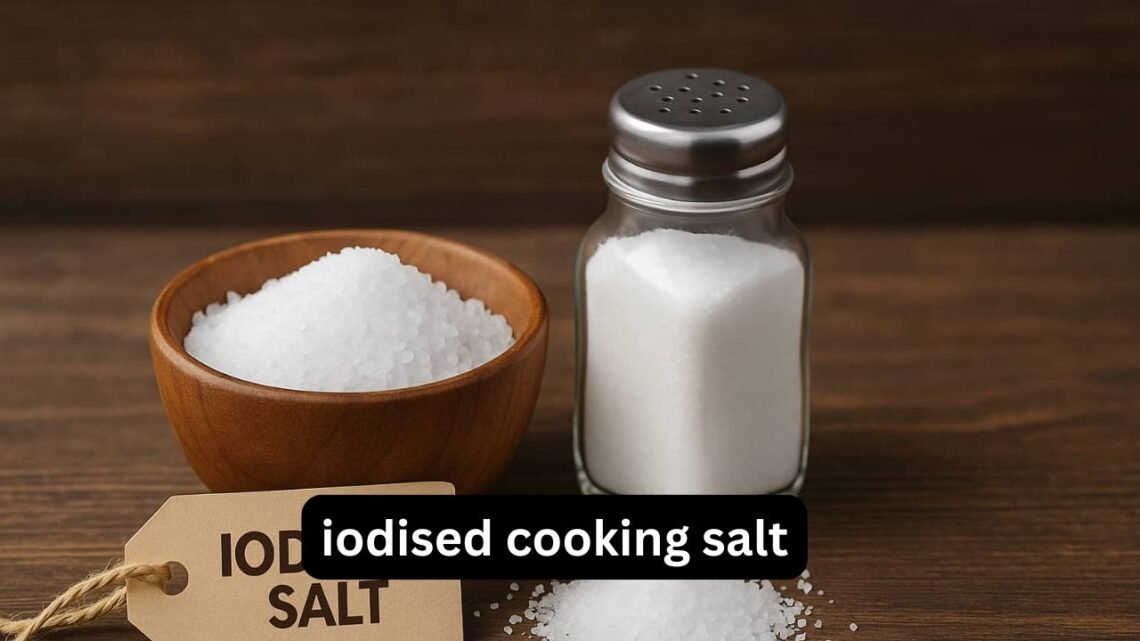
Cooking salt is one of those ingredients most people use without thinking twice. You add a pinch to rice, vegetables, soup, or eggs, and move on. But when a packet says “iodised cooking salt,” it raises a reasonable question: what is actually different about it, and is it better than ordinary salt?
Iodised cooking salt is regular edible salt that has a small, controlled amount of iodine added to it. The purpose is not to change the taste dramatically, but to help people get enough iodine in their diets. Iodine is needed by the thyroid gland to produce hormones that support normal growth, development, metabolism, and brain function.
This guide explains what iodised salt is, how it compares with non-iodised salt, how to use it in everyday cooking, and what to know when choosing a product such as Saxa iodised cooking salt. It also covers a few practical details that are easy to overlook, including storage, cooking, labels, and why “more iodine” does not mean you should use more salt.
What Is Iodised Cooking Salt?
Iodised cooking salt is edible salt fortified with iodine. The salt itself is usually sodium chloride, while iodine is added in a very small quantity to help prevent inadequate iodine intake.
The important point is that iodised salt is not a completely different type of salt. It is ordinary food-grade salt with an additional nutritional purpose.
Iodine is an essential micronutrient. Your body cannot make it on its own, so it has to come from food or other dietary sources.
The thyroid uses iodine to make thyroid hormones, which are involved in processes such as:
- Normal growth and development
- Brain development
- Energy metabolism
- Regulation of many body functions
Because salt is used regularly and in relatively consistent quantities, adding iodine to salt has historically been an effective public-health strategy for increasing iodine intake.
Does iodised salt taste different?
For normal household use, iodised salt generally tastes like salt. The amount of iodine added is tiny, so it is not intended to produce a noticeable iodine flavour.
If a salt tastes unusual, the cause may instead be the salt’s grain size, impurities, moisture, added ingredients, storage conditions, or the food being prepared.
Why Is Iodine Added to Salt?
The reason is simple: iodine deficiency can cause health problems, while salt is consumed frequently enough to provide a practical vehicle for iodine.
Iodine deficiency can interfere with thyroid hormone production. Historically, insufficient iodine intake has been associated with conditions such as goitre and, particularly during pregnancy and early childhood, impaired neurological development.
Iodised salt therefore addresses a nutritional problem without requiring people to radically change their eating habits.
This is one of the more useful features of iodised salt: you can use it in the same way as ordinary table or cooking salt while obtaining a small amount of an essential nutrient.
However, there is an important distinction:
Iodised salt helps with iodine intake; it does not make a high-salt diet healthy.
The iodine content doesn’t cancel out the sodium. You still need to pay attention to the total amount of salt you eat.
Saxa Iodised Cooking Salt: What Should You Look For?
If you’re searching specifically for Saxa iodised cooking salt, the most useful thing is to look beyond the brand name and check the actual packet.
Saxa is a well-known salt brand with different products and packaging depending on the market. Product formulations and labelling can vary by country, so don’t assume that every Saxa salt product contains iodine simply because it is sold as cooking salt.
When buying a particular packet, check:
- The product name — look for wording such as “iodised” or “iodized.”
- Ingredient information — this can indicate whether an iodine compound has been added.
- Nutritional or fortification information — where provided.
- Country-specific labelling — iodine fortification standards can differ between markets.
- Packaging condition — avoid damaged or poorly sealed packets.
This is a practical point that is often missed in generic discussions of iodised salt: the word “salt” alone doesn’t tell you whether the product is iodised.
Iodised Salt vs Regular Salt
The biggest difference is the presence of added iodine.
| Feature | Iodised salt | Non-iodised salt |
|---|---|---|
| Main ingredient | Sodium chloride | Sodium chloride |
| Added iodine | Yes | Usually no |
| Main purpose | Cooking + iodine fortification | Cooking |
| Taste | Generally similar | Generally similar |
| Sodium | Still contains sodium | Still contains sodium |
| Suitable for everyday cooking | Yes | Yes, depending on dietary needs |
The difference is nutritional rather than culinary.
For example, if you use a teaspoon of iodised salt in a pot of rice instead of a teaspoon of non-iodised salt, the cooking process is essentially the same. The practical difference is that the iodised version provides iodine.
Is iodised salt healthier than sea salt?
Not automatically.
Sea salt, rock salt, Himalayan-style salt, table salt, and other varieties can differ in texture, processing, mineral content, and flavour. But the question of iodine is separate.
A sea salt product may or may not be iodised. The same applies to other specialty salts.
If your goal is specifically to obtain iodine from salt, check the label rather than assuming that a particular type of salt contains it.
How Much Iodised Salt Should You Use?
This is where a common misunderstanding occurs.
Because iodine is beneficial, it can be tempting to think that using more iodised salt is a good way to increase iodine intake.
It isn’t.
You need iodine, but you also need to avoid excessive sodium intake. The sensible approach is to use salt sparingly while choosing iodised salt when appropriate.
Instead of adding extra salt simply for iodine, think about your overall diet.
Foods that may contribute iodine include:
- Dairy products
- Eggs
- Seafood
- Fish
- Some fortified foods
- Iodised salt
The amount of iodine in foods varies considerably, and individual needs can differ.
Does Cooking Destroy the Iodine?
Heat and storage can affect iodine content, although the extent depends on factors such as the iodine compound used, storage conditions, moisture, packaging, and cooking method.
This doesn’t mean you should avoid cooking with iodised salt.
A more useful approach is to store it properly and use it normally.
For everyday cooking:
- Keep the salt in a closed container.
- Protect it from moisture.
- Avoid storing it beside a steaming cooker or kettle.
- Don’t leave the packet open for long periods.
- Follow the product’s storage instructions.
One practical insight is particularly useful: salt that becomes damp and repeatedly exposed to air may not behave the same way as freshly stored salt. Keeping the container dry and sealed is therefore worthwhile even if you’re mainly concerned about convenience.
When Should You Add Iodised Salt?
For most everyday dishes, there is no need to create a complicated routine.
You can use iodised salt:
- While boiling pasta or rice
- In soups and stews
- During vegetable preparation
- When seasoning meat or fish
- In sauces
- During general cooking
- At the table, where appropriate
The amount matters more than the exact moment you add it.
If you’re cooking something where salt is dissolved into a liquid, adding it during cooking is straightforward. For foods where precise seasoning matters, adding a small amount gradually can make it easier to control the final taste.
A Real-World Example: Cooking for the Family
Imagine you’re preparing dinner for four people.
You normally use ordinary salt when cooking rice and vegetables. You switch to iodised salt but continue using the same amount.
Nothing dramatic changes:
- The food still tastes salty.
- The salt performs the same culinary function.
- You haven’t needed to learn a new cooking technique.
- The salt now also serves as a source of iodine.
That is essentially the advantage of iodisation. It fits into an existing habit rather than requiring a completely new food.
The mistake would be thinking, “Because this salt contains iodine, I should add more of it.”
You shouldn’t.
Three Less-Obvious Things About Iodised Salt
1. “Natural” does not automatically mean nutritionally superior
People sometimes assume that non-iodised sea salt or rock salt is healthier because it sounds less processed.
But “natural” and “iodised” describe different things.
A salt can be minimally processed and still not provide meaningful iodine. Conversely, iodised salt is intentionally fortified to address a nutritional requirement.
The useful question is not “Which sounds more natural?” but “What does this product actually provide, and how does it fit into my diet?”
2. Salt appearance doesn’t tell you its iodine content
White, fine salt can look virtually identical whether or not iodine has been added.
You cannot reliably determine iodine fortification by looking at the crystals.
The label is much more useful than colour, grain size, or appearance.
3. Reducing salt does not necessarily mean abandoning iodised salt
If you’re trying to reduce your sodium intake, the answer isn’t necessarily to replace iodised salt with a larger quantity of another non-iodised salt.
A better strategy is to reduce the overall amount of salt while, where appropriate, continuing to choose an iodised product.
You can also build flavour with ingredients such as herbs, spices, garlic, ginger, citrus, onion, and other naturally flavourful foods.
Common Mistakes People Make
Mistake 1: Assuming every cooking salt is iodised
It isn’t. Check the packaging.
Mistake 2: Using extra salt to get more iodine
This can unnecessarily increase sodium intake.
Mistake 3: Storing salt beside steam
A humid environment can cause salt to clump and may affect iodine stability over time.
Mistake 4: Assuming expensive salt is automatically better
Price, crystal size, colour, and marketing don’t determine whether salt is iodised.
Mistake 5: Confusing iodine with iodide
Labels may refer to iodine fortification compounds such as iodide or iodate. These are forms used to provide iodine; seeing a chemical name on the label doesn’t mean the salt is unsafe or fundamentally different from ordinary iodised salt.
Who May Need to Pay More Attention to Iodine?
Iodine requirements aren’t identical for everyone. Pregnancy, breastfeeding, age, dietary patterns, and certain medical circumstances can affect iodine needs.
People who consume little or no seafood, dairy, eggs, or iodised salt may have fewer dietary sources of iodine.
At the same time, taking iodine supplements unnecessarily isn’t a good substitute for sensible dietary planning. Excessive iodine can also cause problems for the thyroid.
If you have a thyroid condition or have been advised to restrict or increase iodine, follow advice from a qualified healthcare professional rather than changing your salt intake based solely on general information.
How to Choose a Good Iodised Cooking Salt
You don’t need an elaborate checklist.
Look for:
- Clear confirmation that the salt is iodised
- A properly sealed package
- A reputable food manufacturer
- Appropriate food-grade labelling
- An intact package within its recommended shelf life
- A grain size that suits your cooking style
For a product such as Saxa, the most important step is still the same: read the specific package rather than relying on assumptions about the brand.
FAQ
What is iodised cooking salt?
Iodised cooking salt is ordinary edible salt that has been fortified with a small amount of iodine. Its purpose is to provide iodine while performing the normal culinary functions of salt. Iodine is required for the production of thyroid hormones and is an essential nutrient.
Is Saxa iodised cooking salt the same as normal salt?
If a specific Saxa product is labelled as iodised, its main ingredient is still salt, but it also contains added iodine. The exact iodine compound and amount depend on the product and the market where it is sold. Always check the packaging for the current formulation.
Is iodised salt better than sea salt?
Neither is automatically “better” in every respect. The key difference is whether iodine has been added. Sea salt can be iodised or non-iodised, so checking the label is more reliable than judging the salt by its name.
Does iodised salt expire?
Salt itself is very stable, but the quality and iodine content of iodised salt can be affected by storage conditions and time. Keep it tightly closed, dry, and away from heat and humidity. For packaged products, follow the manufacturer’s date and storage instructions.
Can you cook with iodised salt every day?
Yes, iodised salt is designed for normal food use. The important point is to use an appropriate amount because iodised salt still contains sodium. Choosing iodised salt does not mean you should increase your overall salt consumption.
Final Takeaway
Iodised cooking salt is simply edible salt with added iodine, designed to make it easier for people to obtain an essential micronutrient through an ingredient they already use.
For everyday cooking, the decision doesn’t need to be complicated. Check whether the product is actually labelled iodised, store it somewhere cool and dry, and use it in moderation. If you’re comparing Saxa with another salt, focus on the specific product label rather than assuming every salt from a particular category—or even every product from a familiar brand—has the same iodine content.
The bigger picture is simple: iodine is important, but more salt is not better. The goal is to get adequate iodine while keeping overall salt intake sensible.