
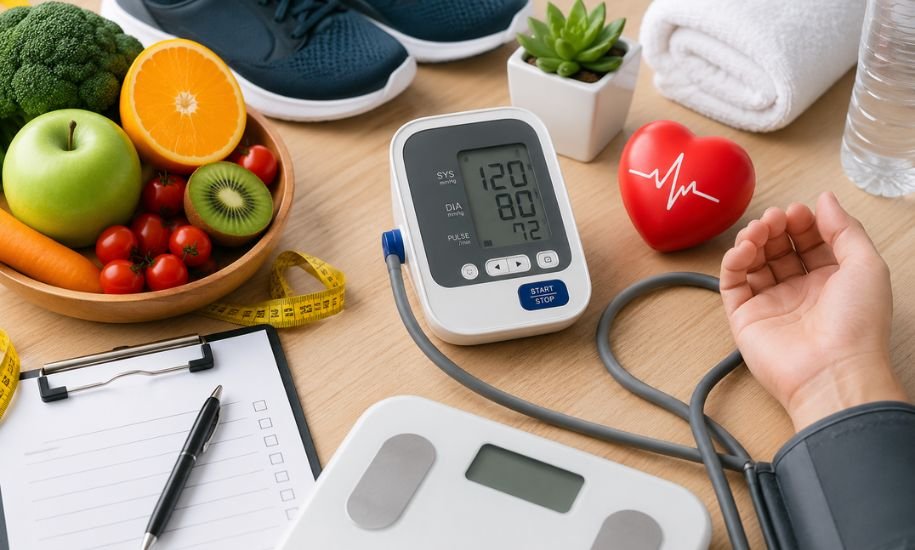
Good health is not something you can measure from a single number or a yearly doctor’s visit. It is built through regular attention to blood pressure, weight, activity, sleep, oral health, vision, mental well-being, and other important indicators.
The good news is that many simple health check methods can help you notice meaningful changes before they become major problems. A home blood-pressure reading, for example, can reveal a pattern that you might otherwise miss. Tracking your weight or waist measurement can show gradual changes in metabolic health, while paying attention to sleep, vision, hearing, or skin changes can help you decide when professional advice is appropriate.
At the same time, self-checks have limits. They are useful for monitoring and awareness, but they do not replace medical diagnosis or age- and risk-based screening. Blood tests, physical examinations, imaging, and other professional assessments may be necessary depending on your age, medical history, symptoms, and risk factors.
Here is a practical guide to the most useful health checks—and how to use them correctly.
Why Simple Health Checks Matter
Preventive healthcare is largely about identifying risk early rather than waiting until a condition causes obvious symptoms.
Some important conditions can develop with few or no noticeable warning signs. High blood pressure and high cholesterol are classic examples. Prediabetes can also exist without obvious symptoms.
Regular monitoring can help you:
- Recognize changes in your health
- Discuss concerns with a healthcare professional earlier
- Track the effect of lifestyle changes
- Understand your personal risk factors
- Make more informed decisions about preventive care
- Avoid ignoring persistent or unusual symptoms
The goal is not to become obsessed with numbers. Instead, health checks should help you understand patterns over time.
1. Monitor Your Blood Pressure
Blood pressure is one of the most useful measurements to monitor because elevated blood pressure often produces no obvious symptoms.
The American Heart Association’s current guidance considers a reading below 120/80 mmHg normal, while readings from 130/80 mmHg upward fall into higher blood-pressure categories. The 2025 AHA/ACC guideline emphasizes a treatment goal below 130/80 mmHg for adults, although treatment decisions depend on the individual and should not be based on one isolated reading.
How to check it correctly
For home monitoring:
- Use a validated upper-arm blood-pressure monitor.
- Sit quietly for about five minutes beforehand.
- Keep your back supported and feet flat on the floor.
- Rest your arm at heart level.
- Avoid talking during the measurement.
- Take repeated readings when advised and record them.
The cuff must also be an appropriate size for your arm. An incorrectly sized cuff can affect accuracy.
A single high reading does not automatically mean you have hypertension. Diagnosis generally requires repeated measurements, and the USPSTF recommends confirming elevated office readings with measurements outside the clinical setting before starting treatment.
A useful practical habit
Instead of reacting to one unusual result, keep a simple log containing:
- Date
- Time
- Blood-pressure reading
- Heart rate
- Relevant circumstances, such as exercise or stress
This gives your healthcare professional much more useful information than one isolated number.
2. Track Weight and BMI—But Know Their Limits
Weight is easy to measure, but it should not be treated as a complete picture of health.
Body Mass Index, or BMI, is calculated by dividing weight in kilograms by height in meters squared.
For adults, standard BMI categories are:
- Below 18.5: Underweight
- 18.5–24.9: Healthy-weight range
- 25–29.9: Overweight
- 30 or higher: Obesity
However, BMI does not directly measure body fat. A muscular person, for example, can have a high BMI without having excess body fat.
That means BMI works best as one health indicator among several, rather than a diagnosis by itself.
What to monitor instead of weight alone
Consider looking at:
- Weight trend
- Waist circumference
- Blood pressure
- Physical activity
- Blood glucose when appropriate
- Cholesterol
- Diet quality
- Fitness and strength
A gradual change across several indicators can tell you much more than the scale alone.
3. Measure Waist Circumference
Waist circumference provides additional information about abdominal fat, which is associated with cardiometabolic risk.
It can be particularly useful when interpreted alongside BMI and other measurements.
How to measure it
Use a flexible measuring tape and follow a consistent measurement method. Do not pull the tape excessively tight.
It is useful to measure under similar conditions each time so that changes are easier to interpret.
Why it matters
Excess abdominal fat is associated with increased risk of conditions such as:
- Type 2 diabetes
- Cardiovascular disease
- Metabolic syndrome
An important practical point is that BMI and waist circumference measure different things. Someone can have a BMI in the standard range but still carry a relatively high amount of abdominal fat.
4. Check Blood Sugar When Screening Is Appropriate
Blood glucose testing can identify prediabetes and type 2 diabetes before complications develop.
Common tests include:
- Fasting plasma glucose
- HbA1c
- Oral glucose tolerance testing
The USPSTF recommends screening adults aged 35 to 70 who have overweight or obesity for prediabetes and type 2 diabetes. Other people may need testing earlier or more frequently depending on their risk factors and medical history.
Possible warning signs
Symptoms of diabetes can include:
- Increased thirst
- Frequent urination
- Unexplained weight loss
- Fatigue
- Blurred vision
However, the absence of symptoms does not necessarily mean blood sugar is normal.
A key distinction
A home glucose reading can be useful for someone who has been advised by a clinician to monitor their glucose, but a single home measurement should not be used to diagnose diabetes.
5. Know Your Cholesterol Levels
High cholesterol can develop without obvious symptoms, which is why blood testing is important.
A lipid profile may measure:
- LDL cholesterol
- HDL cholesterol
- Triglycerides
- Total cholesterol
LDL is often described as “bad” cholesterol because higher levels can contribute to plaque formation in arteries. HDL has traditionally been called “good” cholesterol, but cardiovascular risk is more complicated than looking at HDL alone.
The American Heart Association notes that normal-risk adults may have cholesterol testing approximately every four to six years, with more frequent assessment for people with elevated cardiovascular risk.
The appropriate schedule depends on factors such as age, family history, existing conditions, and previous results.
6. Check Your Resting Heart Rate
Resting heart rate can provide useful information about cardiovascular fitness and general physiological state.
For many adults, a resting heart rate between 60 and 100 beats per minute is considered a typical range. Well-trained athletes may have lower resting rates without this necessarily indicating a problem.
How to check it
You can:
- Sit quietly for several minutes.
- Locate your pulse at the wrist.
- Count beats for 60 seconds.
Alternatively, some devices can estimate heart rate.
Look for changes, not just numbers
Your normal resting heart rate is more useful as a personal baseline than a single generic target.
A persistent change may be associated with:
- Stress
- Illness
- Dehydration
- Poor sleep
- Medication effects
- Changes in fitness
If your heart rate is persistently unusual or accompanied by symptoms such as chest pain, fainting, severe dizziness, or shortness of breath, seek medical attention.
7. Perform a Basic Skin Check
You do not need specialized equipment to become more aware of changes in your skin.
When checking your skin, pay attention to:
- New moles
- A mole that changes appearance
- Unusual growths
- Persistent sores
- Areas that repeatedly bleed
- Changes in color or texture
For suspicious moles, the commonly used ABCDE framework looks at:
- A — Asymmetry
- B — Border
- C — Color
- D — Diameter
- E — Evolving
The most important practical point is often change over time.
A new or changing skin lesion should be evaluated by a qualified healthcare professional rather than diagnosed from an online photograph or checklist.
8. Keep Track of Oral Health
Your mouth can provide useful clues about dental and general well-being.
Look out for:
- Bleeding gums
- Persistent bad breath
- Tooth pain
- Swelling
- Mouth sores that do not heal
- Tooth sensitivity
- Loose teeth
Daily brushing with fluoride toothpaste, cleaning between the teeth, and regular dental care remain the foundation of oral health.
A home inspection is not a substitute for a dental examination. Problems such as cavities and gum disease can exist before they become obvious.
9. Pay Attention to Vision
Vision changes can develop gradually, making them easy to overlook.
Possible warning signs include:
- Blurred vision
- Difficulty reading
- Frequent headaches
- Eye strain
- Difficulty seeing at night
- New problems focusing
Simple observation can tell you that something has changed, but it cannot reliably rule out eye disease.
Regular professional eye examinations are particularly important for people with risk factors or existing eye conditions.
Some eye diseases can progress without noticeable symptoms, so waiting until vision becomes obviously worse is not always a good strategy.
10. Notice Changes in Hearing
Hearing loss can also develop gradually.
You might notice that you:
- Frequently ask people to repeat themselves
- Increase the television volume
- Struggle to follow conversations in noisy places
- Have difficulty hearing certain voices
A hearing test can determine whether hearing has actually declined and, where appropriate, identify the type and severity of hearing loss.
This is especially relevant as people get older or have repeated exposure to loud sounds.
11. Monitor Sleep Quality
Sleep is one of the easiest health indicators to overlook.
Instead of focusing only on the number of hours slept, consider:
- How long it takes you to fall asleep
- How often you wake during the night
- Whether you feel refreshed in the morning
- Daytime sleepiness
- Difficulty concentrating
- Snoring or breathing interruptions
Occasional poor sleep is normal. Persistent problems are different.
For example, loud snoring combined with pauses in breathing, gasping during sleep, or significant daytime sleepiness can warrant professional evaluation for sleep apnea.
Wearables can help identify patterns, but they should not be treated as definitive diagnostic devices.
12. Check Your Mental and Emotional Well-Being
A health check should not focus exclusively on physical measurements.
Ask yourself:
- Have I been feeling persistently low?
- Am I frequently anxious or overwhelmed?
- Have I lost interest in activities I normally enjoy?
- Am I struggling to concentrate?
- Has my sleep changed significantly?
- Am I finding everyday responsibilities unusually difficult?
Mental health deserves the same seriousness as physical health.
If symptoms persist or interfere with daily life, talking with a qualified healthcare professional is more useful than relying on a self-assessment alone.
Preventive Screenings Are Different From Home Checks
One of the most important updates to the idea of “simple health checks” is understanding that screening schedules depend on age and risk.
Examples of professional preventive screening can include:
- Blood-pressure screening
- Diabetes screening
- Cholesterol assessment
- Colorectal cancer screening
- Cervical cancer screening
- Breast cancer screening
- Lung cancer screening for eligible people
- Eye examinations
- Dental examinations
For example, the USPSTF recommends colorectal cancer screening beginning at age 45 for average-risk adults, with the specific test and interval depending on the screening method.
The right schedule is not identical for everyone.
Family history, smoking history, pregnancy, medications, existing medical conditions, and previous abnormal results can all change what screening is appropriate.
A Simple Monthly Health-Check Routine
You do not need to measure everything every day.
A practical routine could look like this:
Weekly
- Notice energy and mood
- Review sleep patterns
- Check physical activity
- Pay attention to new or persistent symptoms
Periodically
- Measure weight if useful for you
- Check waist circumference
- Monitor blood pressure if recommended
- Review resting heart-rate trends
At appropriate medical intervals
- Cholesterol testing
- Blood glucose or HbA1c testing
- Dental examination
- Eye examination
- Age-appropriate cancer screening
- Other tests based on personal risk
The exact schedule should be personalized with a healthcare professional.
Lifestyle Habits That Make Health Checks More Useful
Measurements become more meaningful when combined with healthy daily habits.
Stay Physically Active
For adults, U.S. physical-activity guidelines recommend 150 to 300 minutes of moderate-intensity aerobic activity per week, or an equivalent amount of vigorous activity, plus muscle-strengthening activity on at least two days each week. Some activity is better than none.
Walking, cycling, swimming, strength training, and other activities can all contribute.
Eat a Balanced Diet
Build meals around:
- Vegetables and fruit
- Whole grains
- Protein-rich foods
- Healthy fats
- Adequate fluids
The goal is not perfection. Consistency matters more than following a restrictive diet for a short period.
Avoid Tobacco
Smoking is a major preventable risk factor for cardiovascular disease, cancer, and other serious conditions. If you smoke, discussing evidence-based cessation support with a healthcare professional can be one of the most valuable health steps you take.
Manage Stress
Useful strategies include:
- Regular exercise
- Adequate sleep
- Breathing exercises
- Time outdoors
- Social connection
- Mindfulness or meditation
Persistent anxiety, depression, or overwhelming stress deserves professional attention.
Common Mistakes When Checking Your Health
Mistake 1: Treating one reading as a diagnosis
A single unusual blood-pressure or glucose result does not necessarily establish a medical condition.
Mistake 2: Using unreliable devices
For blood pressure in particular, a validated upper-arm device is preferable. The 2025 AHA/ACC guidance also cautions against relying on cuffless smartwatch-style devices for clinical blood-pressure decisions until their accuracy is sufficiently established.
Mistake 3: Focusing on weight alone
Weight is only one measurement. Fitness, waist circumference, blood pressure, glucose, cholesterol, diet, sleep, and other factors also matter.
Mistake 4: Ignoring symptoms because a home test looks normal
A normal home measurement does not automatically explain persistent symptoms.
Mistake 5: Waiting for symptoms before screening
Some important conditions can remain silent for years. Preventive screening exists precisely because symptoms are not always present.
When Should You Seek Medical Advice?
Simple monitoring should never delay medical care when symptoms are concerning.
Seek urgent medical attention for symptoms such as:
- Severe chest pain or pressure
- Severe difficulty breathing
- Fainting
- Sudden weakness or numbness
- Sudden difficulty speaking
- Sudden vision loss
- Severe or rapidly worsening symptoms
For non-emergency concerns, arrange a medical appointment if you notice:
- Persistent unexplained fatigue
- Unintentional weight loss
- Repeated abnormal readings
- Persistent pain
- Changes in a mole or skin lesion
- Ongoing digestive symptoms
- Persistent sleep problems
- Significant changes in mood
The appropriate response depends on the symptom, its severity, and your personal medical history.
Final Thoughts
Simple health check methods are valuable because they make health monitoring more practical and proactive. Checking blood pressure, tracking relevant weight changes, monitoring sleep, paying attention to skin and oral health, and recognizing changes in vision, hearing, mood, or fitness can all help you become more aware of your well-being.
But the most useful lesson is that no single home measurement tells the whole story.
A blood-pressure monitor cannot replace a medical assessment. BMI cannot fully describe body composition. A smartwatch cannot diagnose a heart condition. A home glucose reading cannot independently establish diabetes.
The strongest approach combines everyday awareness with appropriate professional screening. Keep useful records, look for trends rather than isolated numbers, and discuss persistent or abnormal findings with a qualified healthcare professional.
Preventive healthcare is ultimately less about constantly testing yourself and more about knowing what to monitor, understanding what the results can—and cannot—tell you, and acting when something changes.