
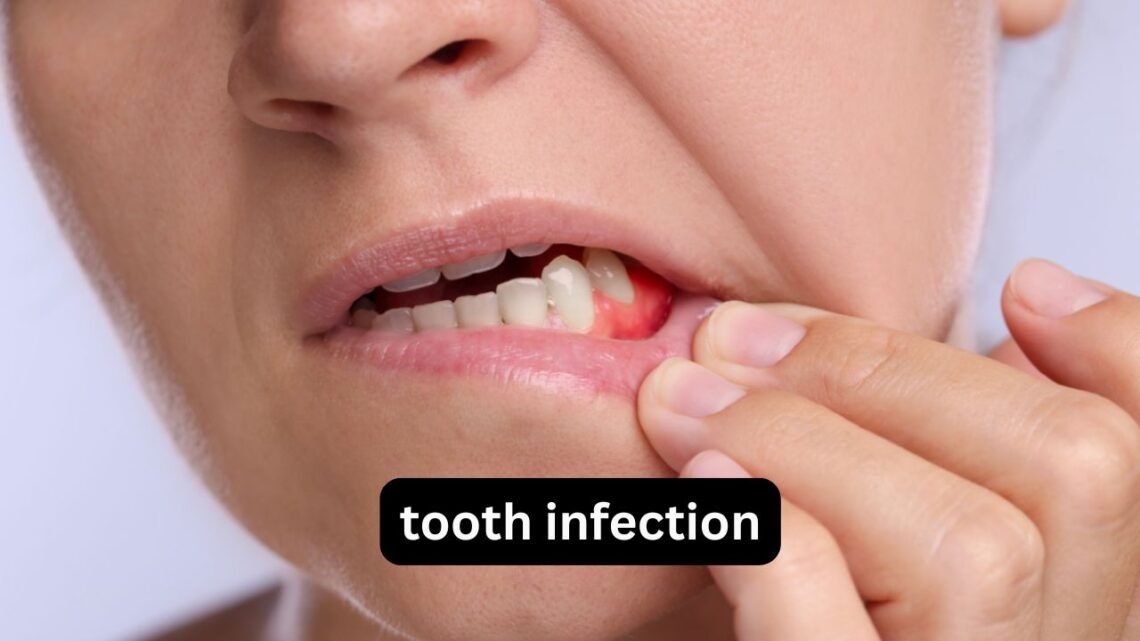
A tooth infection can begin with something that seems easy to ignore: a sensitive tooth, a dull ache, a small gum swelling, or pain when you bite. The problem is that a dental infection does not always stay where it started. An untreated abscess can become more serious, particularly when swelling spreads into the face, jaw, neck, or other tissues.
If you are wondering how long a tooth infection can take to become dangerous, whether antibiotics are necessary, or what symptoms mean that an infection is spreading, the most important point is this: there is no reliable countdown from a tooth infection to a life-threatening illness. The speed and severity vary considerably, so worsening symptoms should be assessed rather than watched at home.
This guide explains common tooth infection symptoms, early warning signs, wisdom tooth infections, when antibiotics may be appropriate, why metronidazole is sometimes used, and what actual treatment usually involves. It also highlights a few easy-to-miss signs that can help you decide when ordinary dental care is no longer enough.
What Is a Tooth Infection?
A tooth infection occurs when bacteria reach deeper tissues of a tooth or the surrounding gums and create inflammation or a collection of pus called an abscess.
It can develop from:
- Deep tooth decay
- A cracked or damaged tooth
- Untreated dental trauma
- Gum disease
- An unsuccessful or previously treated root canal
- An impacted wisdom tooth
- An infection around a partially erupted tooth
A common progression is decay → damage to the tooth’s inner tissues → bacterial infection → inflammation around the tooth root → abscess.
Importantly, tooth pain does not always mean there is an abscess, and an infection can sometimes become advanced even when pain temporarily improves.
That is one reason relying only on pain intensity can be misleading.
Early Tooth Infection Symptoms
Early symptoms can be relatively subtle. You might notice one or several of these:
- Tooth sensitivity to hot or cold
- Pain when chewing or biting
- A persistent toothache
- Tenderness around the gum
- Slight gum swelling
- A bad taste in the mouth
- Bad breath that seems localized to one area
- Increased sensitivity around an old filling or crown
Sometimes the pain is sharp and obvious. In other cases, it feels like pressure or a mild throbbing sensation.
A useful clue: pain that changes character
One less obvious situation is when a severely painful tooth suddenly becomes much less painful.
That does not necessarily mean the infection has disappeared. If the nerve inside the tooth has died, the pain from the nerve itself may decrease while infection around the root continues.
So “the pain stopped” should not automatically be interpreted as “the tooth healed.”
What Are the Symptoms of a Tooth Infection Spreading to the Body?
A localized dental infection can become more concerning when infection or inflammation extends beyond the immediate tooth area.
Possible warning signs include:
- Increasing facial or jaw swelling
- Swollen lymph nodes
- Fever or chills
- Feeling unusually weak or unwell
- Increasing difficulty opening the mouth
- Difficulty swallowing
- Swelling extending toward the neck
- Increasing pain despite treatment
- Problems breathing or speaking
The NHS lists difficulty breathing, speaking, or swallowing, significant mouth swelling, painful or swollen areas around the eye, and difficulty opening the mouth as reasons for immediate emergency assessment.
When a tooth infection becomes an emergency
Do not wait for a routine dental appointment if swelling is rapidly increasing or you have trouble breathing or swallowing.
A spreading dental infection can involve deeper spaces of the face and neck. These infections can threaten the airway and require urgent hospital treatment.
A practical rule is:
Tooth pain alone usually calls for dental care. Tooth pain plus significant swelling, fever, swallowing problems, breathing problems, or rapidly worsening symptoms needs much more urgent attention.
How Long Until a Tooth Infection Kills You?
There is no medically useful number of days that applies to everyone.
A tooth infection does not follow a predictable schedule such as “it takes X days to become fatal.” Some infections remain localized for a period of time, while others can spread rapidly, particularly in people with certain medical conditions or weakened immune defenses.
The important question is therefore not “How many days do I have?” but “Are there signs that this infection is spreading or becoming severe?”
A dental abscess requires urgent treatment and does not reliably disappear on its own.
If you have facial or neck swelling, fever, difficulty swallowing, difficulty breathing, or rapidly worsening symptoms, seek urgent medical attention rather than waiting to see what happens overnight.
Do You Need Antibiotics for a Tooth Infection?
Not necessarily.
This is one of the biggest misconceptions about dental infections. Antibiotics can be important in certain situations, but they are not a universal cure for toothache or every localized dental infection.
The American Dental Association recommends against antibiotics for many pulpal and periapical dental conditions when appropriate dental treatment can be provided. Treatment may instead involve procedures such as drainage, root canal treatment, or other definitive dental care.
Antibiotics become more relevant when there are signs of systemic involvement, such as fever or malaise, or when the infection is spreading and definitive dental treatment cannot immediately control it.
Why antibiotics alone may not solve the problem
Think of an infected tooth as having two problems:
- The bacteria and inflammation
- The damaged tooth or trapped source where the infection began
An antibiotic may reduce the bacterial burden, but it does not repair a severely decayed tooth or remove infected tissue from inside a dead tooth.
That is why definitive treatment may involve:
- Drainage of an abscess
- Root canal treatment
- Pulp treatment
- Tooth extraction
The NHS similarly notes that dental abscesses are generally treated by draining the pus, with root canal treatment or extraction sometimes necessary when the tooth itself is responsible.
What Antibiotics Are Used for Tooth Infection?
When a dentist decides that antibiotics are appropriate, the choice depends on the infection, medical history, allergies, severity, and local prescribing practices.
Commonly discussed antibiotics include:
- Amoxicillin
- Penicillin V
- Certain alternatives for people with specific penicillin allergies
- Metronidazole in selected circumstances
The ADA guideline gives amoxicillin or penicillin V as examples for certain adults with systemic involvement, while alternative antibiotics may be considered when there is a relevant allergy.
Do not choose an antibiotic yourself based on an old prescription or someone else’s medication. The correct drug, dose, duration, and need for treatment depend on the clinical situation.
What about metronidazole for a tooth infection?
Metronidazole is sometimes used in dental infections, particularly when additional anaerobic bacterial coverage is considered appropriate.
However, it is not automatically the best antibiotic for every tooth infection.
Current ADA guidance describes metronidazole as an option to add when first-line antibiotic treatment fails in particular circumstances, rather than as a universal first choice for ordinary tooth pain.
This distinction matters because taking an inappropriate antibiotic can delay proper treatment while also exposing you to medication side effects and contributing to antibiotic resistance.
Wisdom Tooth Infection: What Makes It Different?
Wisdom teeth can become infected because they frequently erupt only partially or become trapped beneath the gum.
Food and bacteria can collect around the partially erupted tooth, causing inflammation known as pericoronitis.
Common wisdom tooth infection symptoms include:
- Pain behind the last molar
- Swollen or tender gum
- Bad taste
- Bad breath
- Pain when chewing
- Difficulty opening the mouth
- Swelling around the jaw
- Tender lymph nodes
- Fever in more significant infections
An impacted or partially erupted tooth is also a recognized cause of dental abscesses.
Early-stage wisdom tooth infection
An early infection may feel like tenderness at the very back of the mouth rather than a classic toothache.
This is easy to dismiss as normal wisdom tooth eruption.
A useful practical distinction is persistence and progression. Mild irritation that disappears may be temporary, while increasing swelling, repeated episodes, bad taste, limited mouth opening, or fever deserves dental assessment.
Tooth Infection Treatment: What Actually Fixes It?
Treatment depends on where the infection is and whether the tooth can be saved.
1. Drainage
If pus has accumulated, a dentist may drain the abscess.
This removes pressure and helps control the infection at its source.
2. Root canal treatment
If the tooth can be preserved but its inner tissues are infected or dead, root canal treatment can remove the infected tissue, clean the canals, and seal the tooth.
3. Extraction
A tooth that cannot realistically be restored may need to be removed.
This eliminates the infected tooth as the source.
4. Antibiotics when indicated
Antibiotics may be added when there is systemic involvement, spreading infection, or another clinical reason they are appropriate.
They should generally complement, rather than replace, definitive dental treatment.
What Can You Do While Waiting for a Dentist?
If you cannot see a dentist immediately, the goal is to control discomfort without pretending the infection has been cured.
Depending on your health history and whether these medicines are safe for you, commonly used pain relievers include ibuprofen or paracetamol/acetaminophen. Follow the package directions and do not exceed the recommended dose.
You can also:
- Eat softer foods
- Avoid extremely hot or cold foods
- Brush gently around the affected area
- Keep the mouth clean
- Avoid repeatedly pressing or squeezing a swollen area
Do not place aspirin directly against the gum or attempt to drain an abscess yourself.
And don’t assume that pain relief means the infection is gone.
Common Mistakes People Make
Waiting because the pain is manageable
A tooth infection does not have to produce unbearable pain to deserve attention.
Taking leftover antibiotics
An old prescription may be the wrong antibiotic, dose, or duration for the current problem.
Stopping dental treatment because antibiotics helped
Improvement can be temporary if the infected tooth remains untreated.
Ignoring facial swelling
Swelling is more concerning than ordinary tooth sensitivity, especially when it is increasing or spreading.
Waiting for a wisdom tooth to “settle down”
Repeated infections around a wisdom tooth can indicate an underlying eruption or impaction problem that needs dental evaluation.
Three Less-Obvious Things Worth Knowing
1. Less pain can sometimes be a bad sign
If the nerve inside a badly infected tooth dies, the intense toothache can decrease. The underlying infection may still be present.
2. Antibiotics are not always the main treatment
People often expect an antibiotic prescription to solve a dental abscess. In many localized dental conditions, removing the source through dental treatment is more important than taking antibiotics.
3. The location of swelling matters
Swelling that moves beyond the immediate gum area—particularly toward the face, eye, jaw, or neck—can change the urgency of the situation. Difficulty breathing or swallowing is an emergency warning sign.
When Should You See a Dentist?
Arrange urgent dental care if you have:
- Persistent tooth pain
- Facial or jaw swelling
- A suspected abscess
- Fever associated with dental symptoms
- Pus or a persistent bad taste
- Difficulty chewing
- Increasing wisdom tooth swelling
- Pain that keeps returning
Seek emergency medical care immediately if you have difficulty breathing or swallowing, severe mouth or neck swelling, significant difficulty opening your mouth, or swelling around the eye or vision problems.
FAQ
How long can you leave a tooth infection untreated?
There is no safe fixed timeframe. A localized infection can worsen unpredictably, and a dental abscess generally requires professional treatment rather than waiting for it to disappear. Arrange dental care promptly, especially if swelling, fever, or worsening pain develops.
What antibiotics are usually used for a tooth infection?
Depending on the clinical situation, dentists may use antibiotics such as amoxicillin or penicillin V, with alternatives considered for certain allergies or treatment circumstances. Antibiotics are not appropriate for every toothache, so the correct medication should be determined by a dental or medical professional.
Is metronidazole good for a tooth infection?
Metronidazole can have a role in selected dental infections, including as additional coverage when initial treatment is unsuccessful in certain circumstances. It is not automatically the correct first treatment for every dental infection, and using it without professional guidance is not recommended.
Can a wisdom tooth infection spread to the body?
Yes. A dental infection can spread beyond the original area, although the course varies between individuals. Fever, worsening facial swelling, swollen glands, difficulty opening the mouth, swallowing problems, or breathing difficulty should be treated as warning signs requiring prompt assessment.
Can a tooth infection go away without antibiotics?
Some dental pain conditions do not require antibiotics, but an abscess should not simply be left untreated. Definitive treatment may require drainage, root canal treatment, or extraction, while antibiotics are reserved for situations where they are clinically indicated.
Conclusion
A tooth infection is not something to manage by guessing how long you can tolerate the pain. The safest approach is to identify whether the problem is localized or showing signs of spreading and then obtain appropriate dental treatment.
Antibiotics can be valuable when they are genuinely indicated, but they do not replace treatment of the infected tooth. Root canal treatment, drainage, or extraction may be what actually removes the source of the infection.
If you have significant swelling, fever, worsening symptoms, or any difficulty breathing or swallowing, treat it as urgent rather than waiting for the infection to settle.