
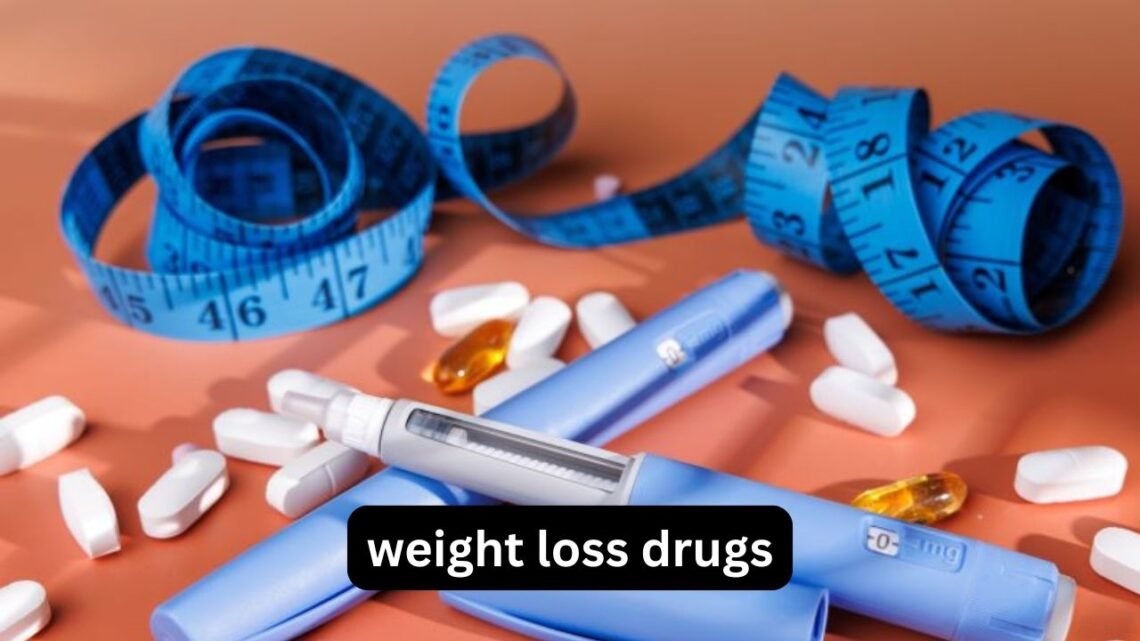
Losing weight can be frustrating when eating less and exercising more no longer seems to produce meaningful results. That is one reason weight loss drugs have become so widely discussed, particularly medicines such as Wegovy and Mounjaro. But these treatments are not simply “fat-burning pills,” and choosing one involves more than comparing how many kilograms people lose.
Modern weight-management medicines work mainly by changing appetite, fullness, food intake, or how the body handles glucose. Some are injections, while newer options include tablets. They can be highly useful for appropriately selected patients, but they can also cause side effects, require ongoing medical monitoring, and may not be suitable for everyone.
This guide explains how the main weight loss drugs work, which medicines are used in the UK, how Wegovy compares with other options, why hair loss can occur, what side effects deserve attention, and whether buying weight loss drugs online is safe. It also covers several practical issues that are easy to overlook when starting treatment.
Important: Weight-loss medicines are prescription treatments, not general-purpose slimming products. The right medicine and dose depend on your medical history, other medicines, weight-related health risks and eligibility criteria.
What are weight loss drugs?
Weight loss drugs are medicines used alongside dietary, physical-activity and behavioural changes to help eligible people lose weight and maintain that loss.
The modern group attracting the most attention includes medicines that affect appetite hormones:
- Semaglutide, sold for weight management as Wegovy
- Tirzepatide, sold as Mounjaro
- Liraglutide, sold under several brand names depending on its indication
- Orlistat, an older oral medicine that works differently
In the UK, NICE currently lists tirzepatide, semaglutide, liraglutide and orlistat among medicine options for adult weight management, although eligibility and NHS prescribing arrangements differ between medicines.
The important distinction is that not every drug containing the same active ingredient has the same licence. For example, semaglutide is found in Wegovy, Ozempic and Rybelsus, but those products have different authorised uses. The MHRA specifically warns against assuming that a medicine approved for one purpose is automatically appropriate for weight loss.
How do weight loss drugs work?
The answer depends on the medicine.
GLP-1 medicines
Semaglutide and liraglutide imitate the action of a naturally occurring hormone called GLP-1.
In practical terms, this can:
- reduce appetite
- increase feelings of fullness
- slow stomach emptying
- reduce food intake
- influence blood-glucose regulation
This is why someone taking semaglutide may find that a meal that previously felt normal suddenly feels much more filling.
Tirzepatide works differently
Tirzepatide acts on two hormone pathways: GLP-1 and GIP. The combination affects appetite and glucose regulation and can produce substantial weight loss in appropriate patients.
Orlistat takes another route
Orlistat does not work primarily by suppressing appetite. It reduces the amount of dietary fat absorbed from the digestive tract.
That difference matters. Someone who dislikes injections may prefer an oral option, but orlistat has its own digestive side effects and dietary considerations.
Weight loss drugs in the UK: what is available?
For UK readers, the landscape has changed considerably.
NICE’s current guidance identifies four principal medicine options for adult weight management: tirzepatide, semaglutide, liraglutide and orlistat. These medicines are intended to be used alongside a reduced-calorie diet and increased physical activity.
Eligibility isn’t simply determined by wanting to lose a few kilograms.
For example, NICE recommends tirzepatide for certain adults with an initial BMI of at least 35 kg/m² plus at least one weight-related health condition, subject to the applicable NHS arrangements. Lower BMI thresholds are generally used for people from several ethnic backgrounds, including South Asian backgrounds, because health risks can occur at lower BMI levels.
This is an important practical point: BMI is only one part of the decision. Conditions such as type 2 diabetes, high blood pressure, sleep apnoea and cardiovascular disease can affect treatment decisions.
Wegovy and other weight loss drugs
Wegovy is one of the best-known weight loss medicines because it contains semaglutide.
However, it shouldn’t automatically be described as the “best” weight loss drug for everyone.
A useful comparison looks like this:
| Medicine | Main action | Typical form | Key consideration |
|---|---|---|---|
| Wegovy (semaglutide) | GLP-1 receptor agonist | Injection; tablet formulation also approved in UK | Appetite reduction and fullness |
| Mounjaro (tirzepatide) | GLP-1/GIP receptor agonist | Injection | Dual hormone action |
| Liraglutide | GLP-1 receptor agonist | Injection | Older GLP-1 option |
| Orlistat | Reduces dietary fat absorption | Oral | Digestive effects |
The choice should therefore be based on medical suitability, expected benefit, tolerability, other medicines and personal circumstances—not simply which drug is currently trending online.
A significant recent development
In June 2026, the MHRA approved a semaglutide tablet for weight loss and weight management in the UK, making it the country’s first GLP-1 receptor agonist tablet specifically approved for this purpose.
That is particularly relevant for people who are uncomfortable with injections. It does not, however, mean tablets are automatically safer or more suitable than injections.
What are the side effects of weight loss drugs?
The most common problems with GLP-1-based medicines involve the digestive system.
They can include:
- nausea
- vomiting
- diarrhoea
- constipation
- stomach pain
- bloating
- indigestion
- reflux
- reduced appetite
These symptoms are particularly common when treatment begins or the dose increases. MHRA guidance notes that most reported side effects are mild to moderate or short-lived, although vomiting and diarrhoea can occasionally cause significant dehydration.
One practical lesson is not to treat dose escalation as a race. Increasing medication faster than instructed can make gastrointestinal symptoms much harder to tolerate.
Less common but important risks
There are also more serious potential complications.
These include:
- gallstones or gallbladder problems
- acute pancreatitis
- severe dehydration
- delayed stomach emptying
- allergic reactions
- low blood sugar in particular circumstances, especially when combined with certain diabetes medicines
The MHRA strengthened warnings in 2026 concerning the small risk of severe acute pancreatitis with GLP-1 and GLP-1/GIP medicines. Severe, persistent abdominal pain, particularly pain that travels toward the back, requires urgent medical attention.
Semaglutide also now carries a very rare warning concerning non-arteritic anterior ischemic optic neuropathy (NAION), a condition that can affect vision. Sudden or worsening vision changes should be assessed urgently.
Can weight loss drugs cause hair loss?
Yes, hair loss is a recognised side effect of some weight loss medicines, including semaglutide and tirzepatide.
But there is an important nuance that is often missing from online discussions.
Hair loss does not necessarily mean that the medicine is directly damaging the hair follicles.
Rapid or substantial weight loss itself can trigger telogen effluvium, a temporary form of shedding that can happen after a significant physical or nutritional change. Reduced calorie intake, inadequate protein intake and rapid changes in body weight can all contribute.
The product information for Wegovy reports hair loss in clinical studies and notes that it occurred more frequently among people experiencing greater weight loss. With semaglutide 2.4 mg, hair loss was reported in 2.5% of treated patients versus 1.0% with placebo.
Tirzepatide has shown a similar pattern. In pooled weight-management trials, hair loss was reported in 4.9% of people receiving tirzepatide compared with 1.0% receiving placebo, with the reported events generally mild and most patients recovering while continuing treatment.
What can you do about hair shedding?
If shedding starts after substantial weight loss:
- Tell your prescriber rather than automatically stopping treatment.
- Make sure your diet contains enough protein and overall nutrition.
- Avoid crash dieting alongside the medication.
- Consider whether the timing fits rapid weight loss or another cause.
- Seek medical assessment if the loss is severe, patchy or persistent.
This is one area where a “weight loss drug caused my hair loss” conclusion can be too simplistic. The medicine, the speed of weight loss and nutritional changes may all be relevant.
Are weight loss drugs safe?
They can be safe when appropriately prescribed and monitored, but no weight loss medicine is risk-free.
The better question is whether the expected benefits outweigh the risks for a particular person.
Licensed medicines have undergone regulatory assessment, but their safety profile depends on using them for the correct indication and according to prescribing instructions. The MHRA specifically advises people to use GLP-1 medicines only when prescribed by a healthcare professional.
People should also tell their healthcare team about these medicines before surgery because GLP-1 drugs can affect stomach emptying and may have implications for anaesthesia.
Pregnancy is another major consideration. UK safety guidance advises against taking GLP-1 medicines during pregnancy, while people who become pregnant while taking one should contact a healthcare professional promptly.
Are weight loss drugs online safe?
This is where consumers need to be particularly careful.
A website selling a medicine does not automatically mean the product is genuine, appropriately prescribed or safe.
Buying from an unregulated source creates risks such as:
- counterfeit medication
- incorrect strength
- improperly stored products
- contaminated products
- inappropriate prescribing
- medicines supplied without proper medical assessment
The MHRA has specifically warned the public about illegal online weight-loss medicines.
A safer approach is to use a legitimate healthcare provider and make sure the medicine has been prescribed for you following an appropriate assessment.
Do not buy a higher dose simply because someone online claims it produces faster results.
New weight loss drugs: what should you watch for?
The weight-management market is changing quickly.
The UK approval of oral semaglutide for weight management in 2026 demonstrates that the next generation of treatments will not necessarily involve weekly injections.
Other medicines are also being studied or developed, including drugs designed to target multiple metabolic pathways.
But “new” does not automatically mean “better.”
A newer medicine may offer greater average weight loss, easier administration or a different side-effect profile, but it also has less long-term real-world experience.
One useful rule is to separate marketing novelty from clinical value. Ask:
- What is the medicine actually licensed to treat?
- Who is eligible?
- How much weight loss was demonstrated in clinical studies?
- What are the common and serious side effects?
- What happens if treatment is stopped?
- How will progress be monitored?
Those questions are more useful than choosing a medicine because it is popular on social media.
Three practical insights people often overlook
1. Losing weight quickly isn’t always the goal
A person may see rapid results and assume the treatment is working perfectly. But extremely rapid weight loss can make dehydration, nutritional inadequacy, gallbladder problems and hair shedding more concerning.
The objective should be sustainable improvement in health, not simply the fastest possible drop on the scales.
2. Your food intake can become too low
Appetite suppression can be helpful, but it can also make it surprisingly difficult to eat enough protein, fibre and micronutrients.
Someone who previously struggled with overeating may suddenly struggle with the opposite problem: eating so little that meals become nutritionally poor.
This is particularly relevant when hair shedding, fatigue or weakness develops during substantial weight loss.
3. Stopping treatment isn’t the same as “failing”
Weight management is often a long-term process. If a medicine is stopped because of side effects, cost, changing circumstances or medical advice, appetite and weight can change again.
That doesn’t mean the treatment was useless. It means obesity and weight regulation are chronic biological issues rather than a simple 12-week challenge.
Common mistakes when taking weight loss medicines
Avoid these mistakes:
Increasing the dose yourself: More medication does not necessarily mean better results and may increase side effects.
Skipping meals deliberately: Appetite reduction does not eliminate the body’s nutritional requirements.
Ignoring persistent vomiting or diarrhoea: Dehydration can become medically significant.
Using someone else’s prescription: A medicine suitable for one person may be inappropriate for another.
Buying from questionable websites: A cheap injection is not a bargain if its contents or storage history are uncertain.
Treating medication as a replacement for lifestyle support: NICE recommends using weight-management medicines alongside dietary and physical-activity strategies.
When should you contact a doctor urgently?
Seek urgent medical help if you experience symptoms such as:
- severe or persistent abdominal pain, especially if it spreads to the back
- severe vomiting with inability to keep fluids down
- signs of serious dehydration
- difficulty breathing or significant facial/throat swelling
- sudden or worsening vision problems
- severe abdominal swelling with vomiting and constipation
These symptoms are different from the mild nausea or temporary digestive discomfort that many patients experience when starting treatment.
FAQ
What are the best weight loss drugs?
There is no single best medicine for everyone. Semaglutide, tirzepatide, liraglutide and orlistat have different mechanisms, eligibility requirements and side-effect profiles. The most appropriate option depends on your health, other medicines, weight-related conditions and how well you tolerate treatment.
Do weight loss drugs cause hair loss?
They can. Hair loss is listed as an adverse reaction with both semaglutide and tirzepatide, and clinical data suggest it occurs more often alongside substantial weight loss. Rapid weight loss and nutritional changes may also contribute to temporary shedding, so persistent hair loss deserves medical assessment.
How does Wegovy help you lose weight?
Wegovy contains semaglutide, which mimics GLP-1 and helps reduce appetite and increase feelings of fullness. This can make it easier to consume fewer calories. It is intended to be used alongside dietary and physical-activity changes rather than as a standalone slimming solution.
Are weight loss drugs safe to use long term?
They can be appropriate for longer-term treatment when prescribed and monitored properly, but they still have potential risks and side effects. The decision should be reviewed with a healthcare professional, particularly if symptoms change or other medicines are added.
Can I buy weight loss drugs online?
Some legitimate healthcare providers can prescribe weight-management medicines online after an appropriate clinical assessment. However, buying medicines from unregulated websites is risky because the product may be counterfeit, incorrectly dosed or improperly stored. UK regulators advise obtaining GLP-1 medicines through legitimate healthcare channels.
Are Mounjaro and Wegovy the same?
No. Wegovy contains semaglutide and primarily targets the GLP-1 pathway, while Mounjaro contains tirzepatide, which acts on both GLP-1 and GIP receptors. Both can be used for weight management in appropriate patients, but they are different medicines with different prescribing considerations.
Conclusion
Weight loss drugs have changed obesity treatment by giving eligible patients another tool beyond diet and exercise alone. Medicines such as Wegovy and Mounjaro can substantially reduce appetite and support weight loss, but they are genuine prescription medicines with genuine risks.
The most sensible approach is not to ask which drug is currently most popular. Ask which treatment is medically appropriate, what side effects to expect, how your nutrition and progress will be monitored, and whether the medicine comes from a legitimate source.
Hair shedding, nausea and other side effects should not automatically lead to panic—but serious or persistent symptoms should never be ignored. Ultimately, successful treatment is about improving health and maintaining meaningful results, not simply making the number on the scales fall as quickly as possible.