
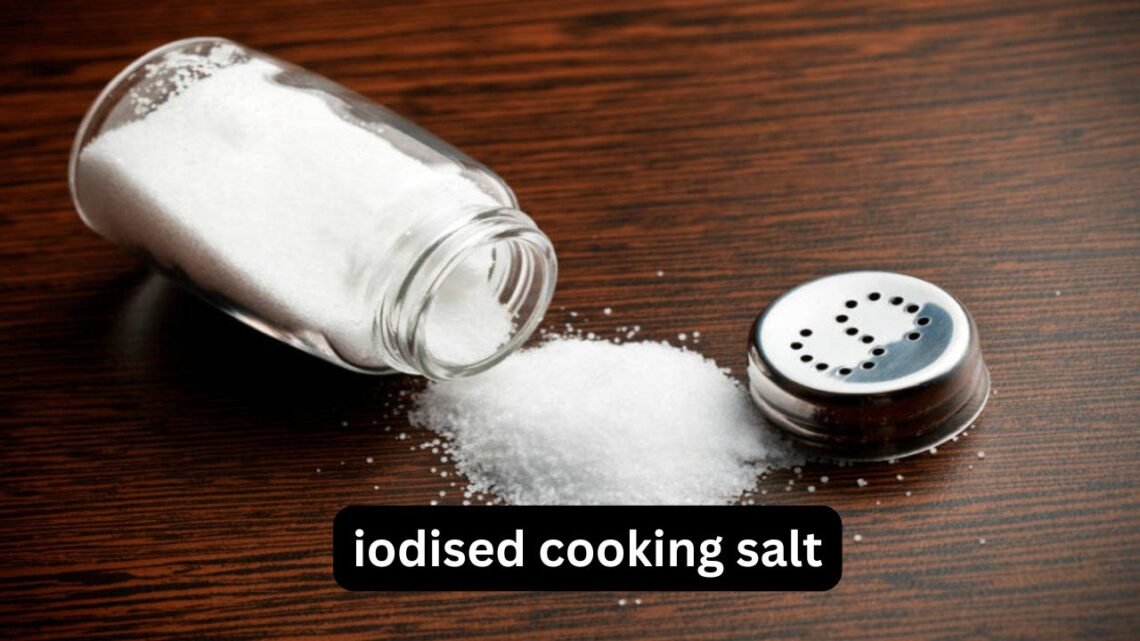
Choosing the right salt can seem surprisingly confusing. A packet may say iodised cooking salt, while another simply says table salt, sea salt, or rock salt. Then there are brand-specific products such as Saxa, which can make you wonder whether iodised salt is actually different, healthier, or better for everyday cooking.
Iodised cooking salt is ordinary edible salt that has been fortified with a small, controlled amount of iodine. The purpose is not to make food taste different, but to help people get enough iodine, an essential nutrient needed for normal thyroid hormone production. For most people, the important question is therefore less about whether iodised salt “looks healthier” and more about how it fits into an overall diet.
This guide explains what iodised cooking salt is, how it compares with non-iodised salt, how Saxa iodised cooking salt fits into the picture, how to store and use it properly, and what common mistakes to avoid. It also covers an easily overlooked point: iodised salt can help prevent iodine deficiency, but it is still salt, so using it does not mean you should consume more sodium.
What Is Iodised Cooking Salt?
Iodised cooking salt is edible salt with iodine added to it, usually in a carefully measured form such as potassium iodate or potassium iodide.
Salt itself is primarily sodium chloride. Iodine is a separate nutrient that the body needs in small quantities. Fortifying salt with iodine provides a practical way of delivering iodine through an ingredient that many households already use regularly.
The distinction is simple:
- Non-iodised salt: sodium chloride without added iodine.
- Iodised salt: sodium chloride fortified with iodine.
- Sea salt: salt produced from seawater; it may or may not be iodised.
- Rock salt: salt obtained from underground deposits; it may or may not be iodised.
So the word “sea” or “rock” does not automatically tell you whether salt contains iodine. The packaging needs to indicate whether iodine has been added.
Why is iodine added to salt?
Iodine is required for the production of thyroid hormones. These hormones have important roles in metabolism, growth and development.
Historically, iodine deficiency has been a significant public-health problem in many parts of the world. Iodised salt became an effective population-level strategy because small amounts can be incorporated into a familiar household ingredient.
That does not make iodised salt a special type of “healthy salt.” Its main advantage is iodine fortification.
What Does Iodised Salt Do in the Body?
When you eat iodised salt, the iodine becomes available to the body and can contribute to your iodine intake.
The thyroid gland uses iodine to produce thyroid hormones. Adequate iodine is particularly important during periods when the body has increased requirements, including pregnancy and childhood.
A useful way to think about it is:
iodised salt → iodine intake → thyroid hormone production
However, more iodine is not automatically better. The body needs iodine within an appropriate range, and excessive intake can also cause problems in susceptible people.
This is why the sensible approach is to use iodised salt normally rather than deliberately increasing salt consumption to obtain more iodine.
Is Saxa Iodised Cooking Salt Different?
Saxa is a well-known salt brand, and products sold under the brand can vary by market. If you are specifically looking at Saxa iodised cooking salt, the key thing to check is the product label in your country.
The word iodised means the product has been fortified with iodine according to the relevant formulation and regulations.
When comparing a Saxa iodised salt product with another iodised table salt, practical differences may include:
- grain size
- texture
- packaging
- saltiness perceived in cooking
- whether the salt is fine or coarse
- the iodine compound and declared iodine content
- local formulation and food regulations
In everyday cooking, the most important nutritional distinction is whether the salt is iodised, not whether the brand name is more familiar.
A useful purchasing habit is to turn the packet around and check the ingredient and nutrition information rather than relying solely on the front label.
Iodised Salt vs Regular Salt
At first glance, iodised and regular salt can look almost identical. The main difference is the addition of iodine.
| Feature | Iodised salt | Non-iodised salt |
|---|---|---|
| Main ingredient | Sodium chloride | Sodium chloride |
| Added iodine | Yes | Usually no |
| Main purpose | Cooking + iodine fortification | Cooking/seasoning |
| Taste | Generally very similar | Generally very similar |
| Sodium concern | Still contains sodium | Still contains sodium |
| Suitable for everyday cooking | Yes | Yes, depending on dietary needs |
This comparison highlights an important misconception: iodised salt is not a low-sodium salt.
If someone needs to reduce sodium intake, switching from ordinary salt to iodised salt does not solve the sodium problem. The benefit of iodisation is iodine intake, not sodium reduction.
Is Iodised Salt Better Than Sea Salt?
Not necessarily.
Sea salt often receives a health-focused reputation because of its origin or texture, but the important iodine question is whether iodine has actually been added.
Some sea salts are not iodised. Therefore, replacing iodised salt with non-iodised specialty salt can unintentionally reduce a person’s dietary iodine intake if other iodine sources are limited.
The same principle applies to:
- Himalayan-style pink salt
- rock salt
- gourmet salts
- kosher-style salts
- coarse sea salt
Their mineral composition and texture may differ, but those differences should not be confused with iodine fortification.
If iodine is the deciding factor, read the label.
How Much Iodised Salt Should You Use?
The goal is not to eat extra salt because it contains iodine.
Salt contains sodium, and high sodium intake can contribute to increased blood pressure and other health concerns. Public-health guidance generally encourages people to limit sodium/salt intake rather than increase it.
A practical approach is:
- Use iodised salt instead of non-iodised salt when appropriate.
- Use the smallest amount that gives your food the flavour you want.
- Avoid adding salt automatically before tasting food.
- Get iodine from other dietary sources as well.
- Follow medical advice if you have a condition requiring a specific sodium or iodine intake.
This distinction is one of the most important things to understand about iodised salt:
Choosing iodised salt can improve the nutritional quality of the salt you already use; it is not a reason to use more salt.
Does Cooking Destroy Iodine?
This is one of the more useful practical questions.
Iodine in salt can be affected by storage conditions and cooking. The amount retained in food can vary depending on factors such as the type of iodine compound, moisture, temperature, cooking duration and storage conditions.
That means it is difficult to give one universal percentage of iodine loss for every cooking method.
For everyday use, you do not need to stop cooking your food normally. Instead, focus on proper storage and sensible use.
One practical habit is to keep iodised salt in a dry, covered container and avoid leaving the packet open beside steam-producing appliances.
How Should Iodised Cooking Salt Be Stored?
Storage is often overlooked.
Iodised salt should ideally be kept:
- in a tightly closed container
- somewhere cool and dry
- away from direct moisture
- away from steam from kettles and cooking pots
- protected from unnecessary exposure to air and humidity
A salt container sitting directly beside a stove may be convenient, but repeated exposure to steam and heat is not ideal.
A simple kitchen test
If your salt frequently becomes damp, forms hard lumps or seems to change texture, the storage environment may be too humid.
This does not automatically mean the salt has become dangerous. However, it is a useful signal to move the container to a drier location and keep it properly sealed.
Does Iodised Salt Taste Different?
For normal cooking, most people will not notice a meaningful taste difference between iodised and non-iodised table salt.
The perception of saltiness is more strongly affected by factors such as:
- crystal size
- how evenly the salt is distributed
- when it is added during cooking
- the food itself
- the amount used
Fine salt can disperse quickly, while larger crystals may take longer to dissolve. This can make two salts seem different even when their basic function is the same.
So if someone says one salt “tastes stronger,” the difference is not necessarily caused by iodine.
Who Especially Needs Adequate Iodine?
Everyone needs iodine, but requirements vary across life stages.
Adequate iodine is especially important for:
- children
- pregnant people
- people who are breastfeeding
- anyone whose diet provides little iodine
- people following restrictive diets that eliminate common iodine sources
Pregnancy deserves particular attention because iodine supports thyroid hormone production, which is important for normal fetal development.
At the same time, people with thyroid disorders should not assume that taking extra iodine is automatically beneficial. If you have been diagnosed with a thyroid condition or take thyroid medication, discuss iodine intake with a qualified healthcare professional.
Common Mistakes People Make With Iodised Salt
1. Assuming every salt contains iodine
It doesn’t.
The appearance of salt tells you very little about whether it is iodised.
2. Thinking iodised means low sodium
It doesn’t.
Iodised salt is still salt and can contribute substantial sodium to the diet.
3. Replacing all salt with specialty salts without checking labels
A household may switch from iodised table salt to a fashionable sea or rock salt and unintentionally stop using an iodine-fortified product.
4. Storing salt beside steam
Humidity can affect the quality and stability of iodised salt. A sealed, dry container is a better option.
5. Taking iodine supplements simply because iodised salt is not being used
Supplements are not automatically necessary. Iodine requirements depend on the overall diet and individual circumstances.
6. Assuming more iodine is always healthier
Iodine is essential, but excessive intake can also be problematic. Nutrition works within ranges, not on a “more is better” principle.
A Real-World Example: Choosing Salt for Family Cooking
Imagine a family that cooks rice, vegetables, lentils, meat and soups every day.
They currently use a non-iodised specialty salt because they believe it is more natural. They rarely eat foods that provide significant iodine.
Switching to an appropriately labelled iodised salt may be a straightforward way to improve iodine intake without changing their cooking style or adding extra salt.
Now consider another household that already gets sufficient iodine from its diet and has been advised by a healthcare professional to restrict sodium.
For them, simply choosing iodised salt does not mean they should increase salt use. Their priority remains sodium reduction while ensuring adequate iodine through suitable dietary sources or professional guidance.
The right choice depends on the whole diet, not just the salt container.
3 Less-Discussed Insights About Iodised Salt
1. Salt type and iodine status are separate questions
People often compare Himalayan salt, sea salt and table salt as though one category automatically provides better nutrition.
But salt origin and iodine fortification are different characteristics. A sea salt can be iodised or non-iodised, just as a refined salt can be iodised or non-iodised.
2. Your storage habits can matter more than expected
Buying iodised salt is only part of the process. Keeping it exposed to humidity, steam and poor storage conditions is not ideal.
A small kitchen change—using a covered, dry container—can make iodised salt easier to manage and protect its quality.
3. Iodised salt works best as a replacement, not an addition
The most practical nutritional strategy is usually to replace non-iodised salt with iodised salt, rather than adding extra salt to the diet simply to obtain iodine.
That distinction makes iodisation much easier to understand.
How to Choose Iodised Cooking Salt
When standing in the supermarket aisle, you do not need a complicated checklist.
Look for:
- An explicit “iodised” or “iodized” statement
- A clearly listed ingredient or fortification information
- A reputable food product with intact packaging
- A suitable grain size for your cooking
- A package size you can use before it sits open for a long time
- Storage instructions that you can realistically follow
If comparing Saxa iodised cooking salt with another brand, compare the labels rather than assuming one brand is nutritionally superior simply because it costs more.
FAQ
What is iodised cooking salt?
Iodised cooking salt is ordinary edible salt that has iodine added to it in a controlled amount. Iodine is an essential nutrient used by the thyroid to make thyroid hormones. Its main advantage over non-iodised salt is therefore iodine fortification, not lower sodium content.
Is Saxa iodised cooking salt good for everyday cooking?
If the Saxa product available in your market is specifically labelled as iodised, it can be used as an everyday cooking salt. The important considerations are the product’s label, your overall iodine intake and how much salt you consume. Remember that iodised salt still contains sodium.
What is the difference between iodised salt and sea salt?
Iodised salt has iodine added to it, while sea salt describes salt produced from seawater. Sea salt may or may not be iodised, so the two terms are not opposites. If iodine intake matters to you, check whether the specific sea-salt product is fortified.
Does iodised salt provide enough iodine?
It can make an important contribution to iodine intake, but the amount you obtain depends on the iodine concentration of the product and how much you consume. Your overall diet also matters because foods can contribute iodine. Eating excessive salt to obtain more iodine is not recommended.
Can you cook with iodised salt?
Yes. Iodised salt is designed for normal food preparation and seasoning. Because iodine stability can be affected by storage and cooking conditions, keeping the salt dry and covered is a sensible household practice.
Should I use iodised salt if I have a thyroid condition?
Do not make a major iodine change solely because you have heard that iodine is good for the thyroid. Some thyroid conditions can be affected by excessive iodine, and individual needs differ. If you have a diagnosed thyroid disorder or take thyroid medication, ask your doctor or dietitian about the appropriate iodine intake.
Conclusion
Iodised cooking salt is simply salt fortified with iodine, but that small nutritional difference can be important. Iodine supports thyroid hormone production, making adequate intake particularly important during certain stages of life.
For everyday shoppers, the practical lesson is straightforward: check the label, distinguish iodised salt from specialty salts that may not contain added iodine, store the product in a cool and dry place, and use salt in moderation.
If you are comparing Saxa iodised cooking salt with another product, focus first on whether it is genuinely iodised, then consider grain size, packaging, price and how it fits into your normal cooking routine. The smartest choice is usually not the salt with the most impressive marketing—it is the one that meets your nutritional needs while helping you keep overall salt intake sensible.