
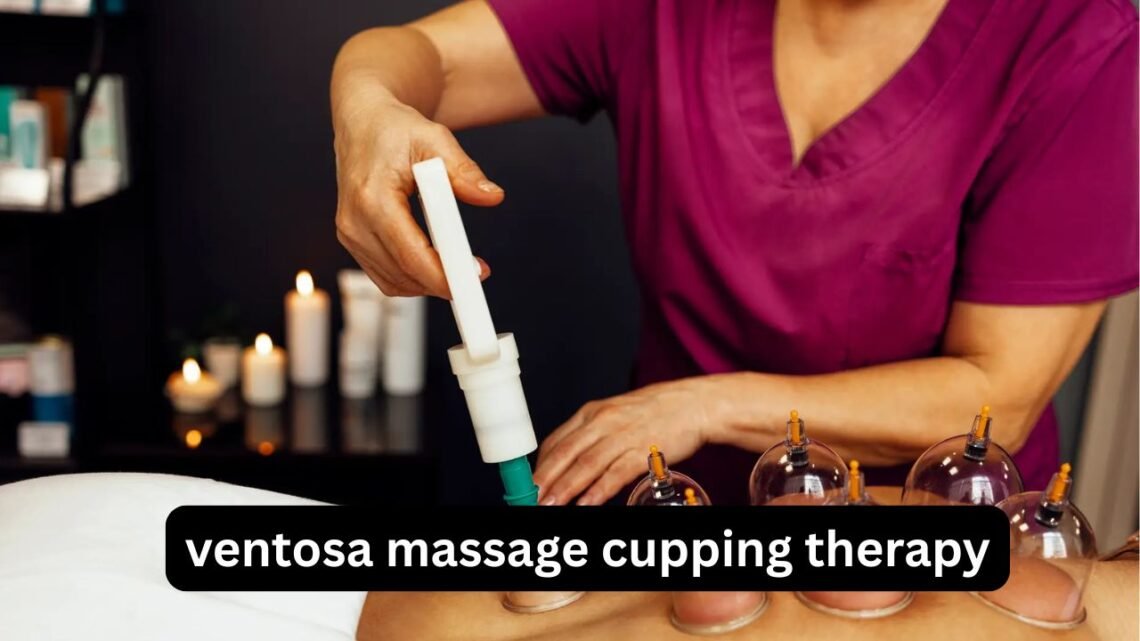
You may have seen round marks on someone’s back after a massage and wondered what they were—or perhaps you are dealing with tight shoulders, aching muscles, or persistent back tension and are considering a different kind of treatment. Ventosa massage cupping therapy is a traditional bodywork technique that uses suction cups on the skin, sometimes combined with massage or movement. It is often used for muscle tightness, relaxation, and temporary relief from aches.
But what actually happens during a ventosa treatment? Does cupping genuinely help, or are the circular marks simply a sign that something intense happened to the skin?
This guide explains what ventosa massage is, how it differs from other forms of cupping, its potential benefits, what a typical session feels like, and when you should avoid it. It also looks at an important point that is often missed: feeling better after cupping does not necessarily mean the treatment has corrected the underlying cause of pain.
If you are considering trying it, understanding both its possible benefits and its limitations can help you make a more informed decision.
What Is Ventosa Massage Cupping Therapy?
Ventosa massage cupping therapy is a form of cupping in which cups are placed on the skin to create suction. The cups may remain stationary for several minutes, or a practitioner may move them across the skin using oil or another suitable lubricant.
The word ventosa is commonly associated with cupping practices in which suction is used as part of massage or traditional bodywork.
Unlike massage performed entirely with the hands, cupping creates a pulling sensation on the skin and superficial tissues. Depending on the technique, the sensation can range from gentle pressure to a fairly strong stretching or tugging feeling.
There are several forms of cupping, including:
- Dry cupping: Cups create suction without intentionally breaking the skin.
- Moving cupping: Lubricant is applied and the cup is gently moved over an area.
- Wet cupping: The skin is punctured before or during suction so that a small amount of blood is drawn into the cup.
- Massage cupping: Suction is incorporated into a massage-style treatment, usually with moving cups.
Ventosa massage generally falls into the non-invasive end of this spectrum when performed as dry or moving cupping.
How Does Ventosa Cupping Work?
A cup is placed against the skin and suction is created inside it. This pulls the skin and superficial tissue upward into the cup.
With moving cupping, the practitioner first applies an appropriate lubricant and then glides the cup across the treatment area.
The immediate effects can include:
- Increased pressure and stretching of the skin.
- Temporary changes in local blood flow.
- A sensation of warmth or looseness.
- Relaxation of muscles surrounding the treated area.
- Temporary skin discoloration caused by the suction.
The circular red, purple, or brown marks are usually not ordinary bruises caused by an impact. They are commonly the result of small blood vessels near the skin being affected by the negative pressure.
One useful distinction is that cupping does not need to produce dramatic marks to be effective as a relaxing bodywork experience. Stronger suction is not automatically better.
What Are the Benefits of Ventosa Massage Cupping Therapy?
People seek ventosa massage for different reasons. Some want help with muscle tightness, while others simply enjoy the relaxing sensation.
Research into cupping has produced mixed results, and evidence varies depending on the condition being treated. Cupping should therefore be viewed as a complementary therapy, rather than a guaranteed treatment or cure.
1. Temporary Relief From Muscle Tension
One of the most common reasons people try cupping is tight muscles.
For example, imagine spending eight hours at a computer every day. Your shoulders remain elevated, your upper back feels stiff, and turning your neck becomes uncomfortable.
A practitioner may use moving cups around the upper back and shoulder muscles. The stretching sensation, combined with massage and relaxation, may make the area feel less tense afterward.
This can be particularly appealing to people who find traditional deep-tissue massage uncomfortable.
2. Relaxation
Cupping sessions can be surprisingly relaxing.
The combination of a quiet environment, controlled pressure, warmth, and focused attention on tense areas may help the body shift into a more relaxed state.
For some people, the biggest benefit is not a specific medical effect but the overall experience of slowing down and releasing physical tension.
3. Temporary Reduction in Certain Types of Pain
Cupping has been studied for several pain-related conditions, including back and neck discomfort.
Some studies suggest that cupping may provide short-term pain relief for certain people, although the quality and consistency of evidence are variable.
That distinction matters.
It is reasonable to say that cupping may help some people manage pain temporarily. It is not reasonable to assume that cupping will fix a slipped disc, arthritis, nerve compression, or another underlying medical problem.
If pain repeatedly returns, the cause deserves attention rather than simply repeating treatments indefinitely.
4. A Feeling of Improved Mobility
People sometimes report that their back, shoulders, or legs feel easier to move after treatment.
This may happen because tight muscles feel more relaxed and because the treatment changes how the area feels.
For instance, someone with stiff shoulders may notice that reaching overhead feels easier immediately after a session.
However, improved movement after treatment should not automatically be interpreted as evidence that tissue damage has been repaired.
5. Complementary Support for Exercise Recovery
Some athletes and physically active people use massage and cupping as part of their recovery routine.
The attraction is understandable after demanding training: muscles can feel tight, heavy, or fatigued, and a relaxing treatment may make the body feel better.
Still, cupping should not replace the fundamentals of recovery:
- Adequate sleep
- Sufficient food and protein
- Hydration
- Appropriate rest
- Gradual training progression
- Treatment of genuine injuries
Cupping can be an optional addition, not the foundation of recovery.
6. Localized Warmth and Circulation Sensation
The suction created by a cup changes local blood flow in the treated area, and people often experience warmth or a flushed appearance afterward.
This is sometimes described as improved circulation.
However, temporary changes in local blood flow should not be confused with claims that cupping “detoxifies” the entire body or removes harmful substances from the bloodstream. Your liver, kidneys, lungs, and other physiological systems already perform the body’s major waste-processing functions.
Ventosa Massage vs Traditional Cupping
Although the terms are sometimes used interchangeably, the experience can be quite different.
| Feature | Ventosa/Moving Cupping | Stationary Dry Cupping |
|---|---|---|
| Cup movement | Usually yes | Usually no |
| Lubricant | Commonly used | Not always needed |
| Main sensation | Pulling and gliding | Firm suction |
| Typical purpose | Massage and muscle relaxation | Localized suction |
| Marks | Possible | Often more noticeable |
| Skin penetration | Not required | Not required |
There is also wet cupping, which is different because the skin is intentionally punctured.
If you are specifically looking for a non-invasive massage experience, make sure you tell the practitioner that you do not want a technique involving skin penetration.
What Does a Ventosa Massage Feel Like?
The first few seconds can feel unusual.
You may notice the skin being pulled upward as the cup attaches. During moving cupping, it can feel similar to a firm massage combined with a gentle pulling sensation.
A normal session should not feel unbearable.
Depending on the area and suction strength, you may experience:
- Warmth
- Tightness
- Pulling
- Mild tenderness
- Temporary redness
- Circular discoloration
A practitioner should be willing to reduce the suction if the sensation becomes painful.
Pain is not proof that the treatment is working.
This is one of the most practical things to remember if you are new to cupping.
How Long Do Cupping Marks Last?
Cupping marks can last anywhere from several days to around a week or sometimes longer, depending on the individual, suction strength, treatment area, and skin response.
They generally fade gradually.
The appearance can vary considerably. One person may develop light pink circles, while another may have dark purple marks after a similar treatment.
Do not judge the quality of a session by how dark the circles become.
Darker marks do not necessarily mean greater therapeutic benefit.
A Less-Discussed Insight: Your Skin Response Can Change
A person may react differently from one session to another.
Factors such as recent exercise, skin sensitivity, hydration, the amount of suction, and the length of treatment can influence how the skin looks afterward.
This means comparing your marks with somebody else’s is not a useful way to evaluate a treatment.
How Often Should You Get Ventosa Massage?
There is no universal schedule that is appropriate for everyone.
If you use cupping primarily for relaxation or occasional muscle tension, you may not need frequent sessions.
A sensible approach is to evaluate how you actually feel afterward:
- Did your discomfort improve?
- For how long?
- Did movement become easier?
- Were there unwanted skin reactions?
- Did the treatment interfere with exercise or daily activities?
If relief lasts only a few hours and the same pain keeps returning, increasing the frequency may not solve the real problem.
Instead, consider whether the underlying issue needs assessment by a qualified healthcare professional or physical therapist.
Who Should Avoid Cupping or Seek Medical Advice First?
Cupping is not appropriate for everyone.
Extra caution is important if you:
- Take blood-thinning medication
- Have a bleeding or clotting disorder
- Have an active skin infection
- Have open wounds in the treatment area
- Have fragile or damaged skin
- Are recovering from significant surgery
- Have a medical condition that affects healing
- Are pregnant and want treatment over areas where your healthcare provider advises against it
People with significant or unexplained pain should also avoid using cupping as a substitute for medical evaluation.
If you have new severe pain, weakness, numbness, unexplained swelling, fever, chest pain, or another concerning symptom, seek appropriate medical care rather than relying on massage therapy.
Common Mistakes People Make With Ventosa Massage
Mistake 1: Assuming More Suction Means More Benefit
This is probably one of the most common misconceptions.
Very strong suction can produce more skin discoloration and soreness without providing proportionally greater benefit.
A comfortable, controlled treatment is generally a better goal than trying to tolerate the strongest possible suction.
Mistake 2: Treating Cupping as a Cure
Cupping may help symptoms temporarily, but symptoms and causes are not always the same thing.
For example, if poor posture contributes to recurring neck tension, repeatedly treating the muscles without addressing posture, workstation setup, strength, mobility, or other contributing factors may provide only temporary relief.
Mistake 3: Ignoring Hygiene
Any equipment that touches skin needs appropriate cleaning and handling.
For non-invasive dry or moving cupping, proper hygiene still matters. If wet cupping is involved, infection-control requirements become even more important because the skin is intentionally broken.
Ask about cleaning procedures if you are unsure.
Mistake 4: Exercising Hard Immediately After a Strong Session
If the treated area feels tender afterward, immediately placing it under heavy training stress may be uncomfortable.
Give your body time to settle, particularly after an intense session.
Mistake 5: Confusing Temporary Relief With Healing
This is another important distinction.
If your back feels better after treatment, that is useful information—but it does not necessarily tell you why the pain occurred or whether an underlying injury has healed.
How to Get More From a Cupping Session
If you decide to try ventosa massage, a few simple choices can make the experience more useful.
Before the session
Tell the practitioner:
- Where you feel discomfort
- Whether this is your first cupping session
- Any medications or relevant health conditions
- Whether you want gentle or stronger pressure
- Whether you want moving or stationary cups
Avoid arriving immediately after an extremely heavy meal if that makes you uncomfortable during massage.
During the session
Communicate.
If the cup feels excessively painful, burning, numb, or otherwise abnormal, say so.
You do not have to tolerate severe discomfort to obtain a benefit.
After the session
Drink normally, rest if needed, and pay attention to how your body responds over the next day or two.
Rather than focusing only on the appearance of the marks, evaluate practical outcomes such as pain level, mobility, muscle tightness, and comfort.
What Cupping Can and Cannot Realistically Do
A useful way to think about ventosa massage is to separate symptom management from disease treatment.
It may be useful as a complementary approach for:
- Muscle relaxation
- Temporary relief of certain aches
- General relaxation
- Feeling of reduced tightness
- Supporting a broader recovery routine
It should not automatically be considered a replacement for:
- Physical therapy
- Medical diagnosis
- Rehabilitation after injury
- Medication when medically necessary
- Strength and mobility training
- Treatment of an underlying disease
Another Unique Insight: Track the Duration of Relief
Instead of asking only, “Did cupping work?”, ask a better question:
“How long did the improvement last?”
If you feel better for two days after each session, that is meaningful practical information. If you feel better for 30 minutes and then the same problem returns, that tells you something different.
Keeping a simple pain and mobility record can help you determine whether the treatment is genuinely useful for you rather than relying on expectation alone.
FAQ
Is ventosa massage cupping therapy painful?
It can feel intense, but it should not normally require you to endure severe pain. The sensation is usually described as pulling, pressure, stretching, warmth, or tightness. Suction strength can often be adjusted, so tell the practitioner if it becomes uncomfortable.
What are the benefits of ventosa massage cupping therapy?
Potential benefits include temporary relief from certain types of muscle tension and pain, relaxation, and a feeling of improved mobility. Research on cupping has shown promising findings for some pain conditions, but the evidence is not strong enough to claim that it works for everyone or treats underlying diseases.
How long do ventosa cupping marks last?
Cupping marks commonly fade over several days, although they can sometimes remain visible for a week or longer. Their color and duration vary between individuals. Darker marks do not necessarily indicate a better or more effective treatment.
Can ventosa massage help back pain?
It may provide short-term relief for some people with back discomfort, particularly when muscle tension is involved. However, persistent back pain can have many causes, including problems involving nerves, joints, discs, or other structures. Cupping should not replace an appropriate evaluation when back pain is severe, persistent, or associated with concerning symptoms.
Is ventosa massage better than regular massage?
Neither is universally better. Moving cupping provides a different sensation because suction lifts the skin while the cup moves across the body. Traditional massage allows the therapist to apply pressure directly with their hands, so the best option depends on your preferences, symptoms, tolerance, and treatment goals.
Can you get ventosa massage every day?
Daily treatment is not automatically necessary or appropriate, particularly if your skin remains marked or tender. The ideal frequency depends on the technique, suction strength, treatment area, and individual response. If you continually need treatment for the same pain, it is worth addressing the underlying cause rather than simply increasing session frequency.
Final Thoughts
Ventosa massage cupping therapy can be a useful complementary form of bodywork for people who enjoy its distinctive pulling sensation and want temporary relief from muscle tension, aches, or general physical stress. Its strongest practical role is usually symptom management and relaxation, rather than curing an underlying medical condition.
The most sensible approach is to keep expectations realistic. Choose a properly trained practitioner, prioritize hygiene, avoid excessive suction, communicate during treatment, and judge the experience by meaningful outcomes such as comfort and mobility—not by how dark the circular marks become.
If a recurring problem keeps coming back, use the temporary relief as an opportunity to look deeper at what may be causing it. Cupping can potentially fit into a broader approach to wellbeing, but it works best when it complements—not replaces—appropriate medical care, exercise, rehabilitation, sleep, and other evidence-based habits.