
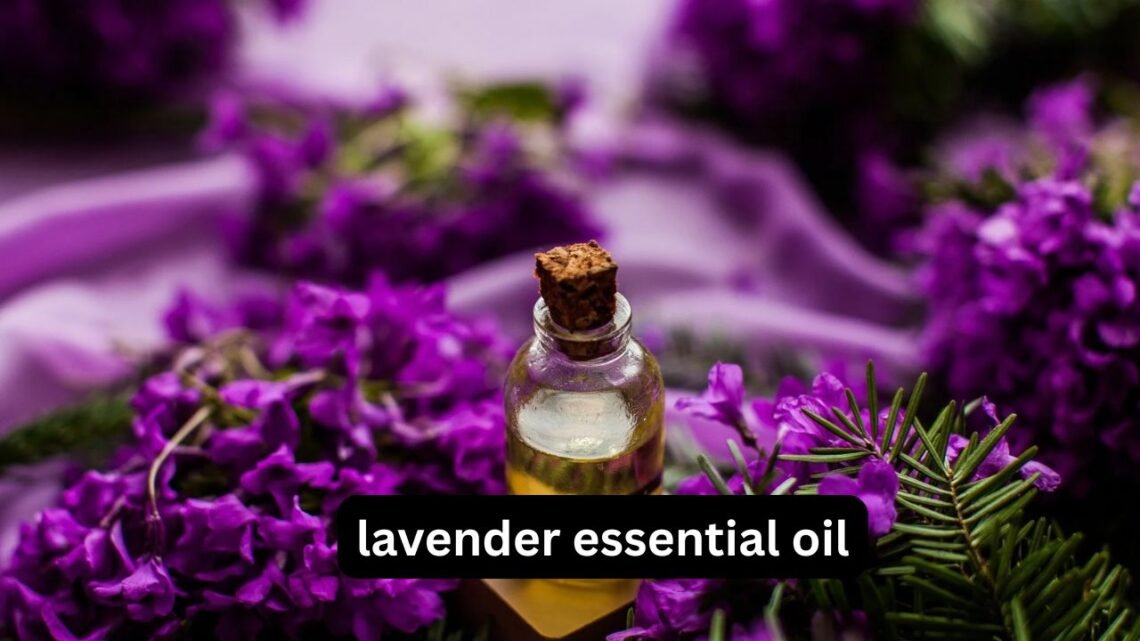
Have you ever put your head on the pillow feeling exhausted, only to find that your mind refuses to slow down? Or bought a bottle of lavender essential oil expecting a natural solution for sleep, hair care, or relaxation, only to wonder how much you should actually use?
Lavender essential oil is one of the most popular essential oils for a reason: it has a pleasant scent, works well in aromatherapy, and has been studied for relaxation and sleep. But the internet often makes lavender sound more powerful—and safer—than the evidence supports.
This guide separates practical uses from exaggerated claims. You’ll learn what lavender oil may realistically help with, how to use a lavender essential oil diffuser, whether it can support sleep, what “pure” lavender oil actually means, how to use it on hair and skin, and why special care is needed around dogs and other pets. You’ll also find several less obvious tips that can make using lavender oil safer and more effective.
What Is Lavender Essential Oil?
Lavender essential oil is a concentrated aromatic oil extracted from lavender plants, most commonly Lavandula angustifolia. The plant is traditionally associated with Mediterranean regions and has long been used in perfumes, bathing products, and aromatherapy.
Unlike lavender-infused water or a scented body lotion, essential oil is highly concentrated. A few drops contain a much stronger concentration of aromatic compounds than you would encounter by simply smelling a lavender flower.
That distinction matters because natural does not automatically mean harmless.
Lavender oil is commonly used in three ways:
- Inhalation: through a diffuser or by smelling a small amount from an appropriate source
- Topical use: diluted in a carrier oil or formulated cosmetic product
- Household fragrance: added to products designed specifically for scenting a room
Oral use is different and should not be treated as interchangeable with aromatherapy. Products intended for ingestion have different formulations, evidence, and safety considerations.
Lavender Essential Oil Benefits: What Does It Really Do?
Lavender is frequently promoted for anxiety, stress, sleep, headaches, skin problems, hair growth, and many other conditions. The evidence isn’t equally strong for all of these claims.
1. It May Help With Relaxation
Lavender aromatherapy may help some people feel calmer, particularly as part of a relaxing routine.
Research on lavender and anxiety has produced promising findings, but studies vary considerably in quality and method. The National Center for Complementary and Integrative Health notes that research on lavender has limitations, particularly for inhaled lavender.
A practical way to think about it is this:
Lavender may be a useful relaxation aid, but it shouldn’t be treated as a guaranteed anxiety treatment.
For someone who becomes tense at bedtime, for example, the scent may become a cue that signals the transition from daytime activity to a quieter routine.
2. Lavender Essential Oil for Sleeping
Sleep is one of the more interesting uses because newer research provides some encouraging evidence.
A 2026 systematic review and meta-analysis included 11 randomized controlled trials involving 628 adults and found a statistically significant improvement in sleep quality with lavender essential oil. However, the researchers also noted limitations in the number and quality of available studies.
Earlier systematic reviews have also reported improvements in sleep quality in several studies.
So, does lavender essential oil make you fall asleep?
It may help some people relax and improve perceived sleep quality, but it is not a sleeping pill.
A sensible bedtime experiment is to use a mild lavender scent as part of a consistent wind-down routine rather than relying on increasingly large amounts of oil.
3. It Can Make a Room Smell Pleasant
This sounds obvious, but it is one of the most realistic benefits.
A good lavender essential oil can create a clean, floral atmosphere without relying on a heavily perfumed air freshener. This can be particularly useful in bedrooms, bathrooms, meditation spaces, or during a relaxation routine.
The important point is that fragrance preference is subjective. If lavender gives you a headache or makes you feel nauseated, using more of it isn’t an improvement.
How to Use a Lavender Essential Oil Diffuser
A lavender essential oil diffuser disperses tiny amounts of aromatic oil into the surrounding air.
If you’re using one for relaxation or bedtime, start conservatively rather than filling the room with a strong fragrance.
A practical diffuser routine
- Read the diffuser manufacturer’s instructions.
- Add the recommended amount of water.
- Use only the number of oil drops appropriate for your particular diffuser and room size.
- Run it for a limited period rather than assuming longer is better.
- Stop using it if you develop coughing, headache, irritation, or discomfort.
A common mistake is thinking that a stronger smell must produce a stronger benefit. It doesn’t necessarily work that way.
NCCIH notes that lavender aromatherapy is considered possibly safe, but headaches and coughing can occur.
An overlooked diffuser issue
Room ventilation matters.
A tiny bedroom with closed windows and continuous diffusion can produce a much stronger exposure than a larger, ventilated living room. If you’re experimenting with lavender for sleep, a subtle scent is generally a more sensible starting point than trying to make the entire bedroom smell strongly of lavender.
Is Pure Lavender Essential Oil Better?
The phrase “pure lavender essential oil” sounds reassuring, but it isn’t enough by itself to determine whether a bottle is high quality.
When choosing lavender oil, look for clear information about:
- The botanical name
- The plant part used
- Country or region of origin, when provided
- Extraction method, when provided
- Batch or lot information
- Ingredients or additives
- Proper storage instructions
A bottle labeled lavender fragrance oil is not necessarily the same thing as lavender essential oil.
Also, don’t assume that an expensive bottle is automatically superior. Good labeling and transparent product information are more useful indicators than a luxury-looking bottle.
What about the lavender essential oil bottle?
The bottle itself matters more than many people realize.
Essential oils are generally best kept in appropriate, tightly closed containers and protected from excessive heat and light. Repeatedly leaving the cap open can also expose the oil to air unnecessarily.
If an oil’s smell, appearance, or consistency changes dramatically over time, don’t assume that it is still suitable for every intended use.
Lavender Essential Oil Uses Beyond Diffusing
Lavender oil has several practical applications, provided you use it appropriately.
Topical skin use
Essential oils should generally be diluted before applying them to skin.
A carrier oil such as jojoba, sweet almond, or another suitable cosmetic carrier can reduce the concentration of the essential oil.
Because topical lavender products can cause allergic skin reactions in some people, trying a small amount of properly diluted product first is sensible.
Don’t apply undiluted essential oil simply because a social-media post recommends it.
Bath products
Lavender is commonly used in bath and personal-care products. However, adding concentrated essential oil directly to bathwater isn’t automatically safe because oil and water don’t mix evenly.
A properly formulated bath product is preferable to dropping concentrated oil straight into the tub.
Massage
Lavender is often incorporated into massage oils because the fragrance can contribute to a relaxing experience.
Here, an important practical distinction is that the massage itself may contribute to relaxation, so it is difficult to assume that every benefit comes exclusively from lavender.
Lavender Essential Oil for Hair: What Are the Benefits?
Lavender oil is often marketed as a natural hair-growth treatment.
This is where it is important to separate laboratory or preliminary findings from established human evidence.
There isn’t enough high-quality evidence to say that applying lavender essential oil to the scalp will reliably make human hair grow faster or thicker.
Still, lavender may have a place in a broader hair-care routine because of its fragrance and its use in cosmetic formulations.
If you want to use it on your scalp:
- Never pour concentrated essential oil directly onto your scalp.
- Dilute it in an appropriate carrier or use a professionally formulated hair product.
- Stop if burning, itching, redness, or irritation develops.
- Don’t use it as a substitute for investigating persistent hair loss.
Unique practical insight: if hair loss is your real concern, treating the oil as a cosmetic product rather than a medical treatment can prevent a common mistake—spending months experimenting with essential oils while an underlying cause remains unidentified.
Is Lavender Essential Oil Safe for Dogs?
This question deserves a more cautious answer than many lifestyle articles provide.
Do not apply lavender essential oil directly to your dog.
The ASPCA lists lavender as toxic to dogs, cats, and horses when referring to the plant, identifying linalool and linalyl acetate among its toxic principles.
ASPCA guidance on essential oils also warns that concentrated oils can cause problems when pets walk through them, get them on their coats, or ingest them.
What about a diffuser?
ASPCA says that short-term diffuser use in a secured area that pets cannot access is not likely to cause an issue for many pets, but animals with breathing problems may be more vulnerable. Pets also have a much stronger sense of smell than humans.
Therefore, if you have a dog at home:
- Never put lavender oil on its fur or skin.
- Keep the bottle inaccessible.
- Prevent accidental licking or ingestion.
- Avoid using a diffuser around pets with respiratory problems.
- Give your pet access to an area free from the diffused scent.
- Contact a veterinarian promptly after suspected ingestion or significant exposure.
Bird owners should be particularly cautious because ASPCA advises avoiding essential-oil diffusers in homes with birds.
Can You Make Lavender Essential Oil at Home?
You can make a lavender-infused oil at home relatively easily, but that’s different from producing true lavender essential oil.
True essential oil is produced through processes such as steam distillation and requires specialized equipment to separate volatile aromatic compounds from plant material.
A home infusion, meanwhile, involves transferring some lavender compounds into a carrier oil.
That distinction is important:
Lavender-infused oil ≠ lavender essential oil.
If a homemade recipe involves placing dried lavender in a carrier oil, you have made an infused oil, not the same concentrated essential oil sold in essential-oil bottles.
Why this distinction matters
Infused oils and essential oils have different concentrations, uses, storage requirements, and safety considerations.
So if a recipe says “make lavender essential oil” by simply soaking flowers in olive oil, the terminology is technically misleading.
Common Lavender Oil Mistakes to Avoid
Using too much
More drops don’t automatically mean more benefit. A strong scent can become unpleasant and may cause headache or coughing.
Applying it undiluted
“Natural” doesn’t mean that concentrated essential oil should be applied directly to skin.
Assuming every lavender product is identical
Lavender essential oil, lavender fragrance oil, lavender-infused carrier oil, and lavender-containing cosmetic products are different products.
Treating it like medicine
Lavender can complement a relaxation routine, but it shouldn’t replace professional evaluation for persistent insomnia, severe anxiety, significant hair loss, or other ongoing health problems.
Ignoring pets
A diffuser that seems harmless to you can create a different exposure for an animal. Keep essential oils inaccessible and be especially careful with concentrated products.
Lavender Essential Oil vs. Other Lavender Products
| Product | Main purpose | Concentration | Typical use |
|---|---|---|---|
| Lavender essential oil | Aromatic use | Highly concentrated | Diffuser, properly diluted topical use |
| Lavender-infused oil | Skin/hair care | Lower | Massage or cosmetic use |
| Lavender fragrance oil | Scent | Formulated fragrance | Candles, soaps, fragrance products |
| Lavender hydrosol | Light botanical fragrance | Much less concentrated | Cosmetic or aromatic use |
| Lavender plant | Decorative/aromatic | Natural plant material | Garden, fragrance, traditional uses |
The most important lesson is not to treat these products as interchangeable.
A Simple Bedtime Lavender Routine
If your main goal is sleep, try making the routine itself the intervention.
For example:
- Dim bright lights before bed.
- Put your phone away.
- Keep the bedroom comfortably cool and quiet.
- Use a mild lavender scent if you enjoy it.
- Spend a few minutes reading, breathing slowly, or doing another quiet activity.
- Go to bed at a consistent time.
This approach is more realistic than expecting one essential oil to overcome an irregular sleep schedule, late-night screen use, caffeine, or persistent stress.
Unique insight: lavender may work best as a behavioral cue. When the same gentle scent repeatedly accompanies your wind-down routine, the scent can become associated with relaxation. That doesn’t prove lavender has a direct sedative effect, but it explains why some people find a consistent bedtime ritual more useful than occasional heavy diffusion.
Lavender Essential Oil Safety: Who Should Be More Careful?
Lavender is not risk-free.
NCCIH notes that topical lavender products may cause allergic skin reactions, while inhalation can sometimes cause headache or coughing. It also notes that little is known about lavender safety during pregnancy or breastfeeding.
Extra caution is appropriate if:
- You have sensitive skin or fragrance allergies.
- You are pregnant or breastfeeding.
- You take medications that cause sedation.
- You are preparing for surgery.
- You have asthma or another breathing condition.
- You have children or pets who could accidentally access the oil.
If you take medication, discussing herbal or essential-oil products with a healthcare professional is particularly sensible because interactions can occur.
FAQ
Is lavender essential oil good for sleep?
Lavender essential oil may improve sleep quality for some adults, particularly when used as aromatherapy. Recent research found a significant improvement in sleep quality across several randomized trials, although the researchers noted limitations in the evidence. It is better viewed as a relaxation aid than a guaranteed treatment for insomnia.
Can you put lavender essential oil directly on your skin?
It is generally safer to dilute essential oil rather than applying it directly to the skin. Lavender-containing topical products can cause allergic reactions in some people. If irritation, burning, itching, or redness occurs, stop using the product.
Is lavender essential oil safe for dogs?
You should not apply concentrated lavender essential oil directly to a dog. ASPCA guidance warns about concentrated essential-oil exposure and recommends keeping oils away from pets. If your dog has ingested essential oil or developed symptoms after exposure, contact a veterinarian promptly.
Does lavender essential oil help hair growth?
There isn’t enough strong human evidence to conclude that lavender essential oil reliably promotes hair growth. It can be included in cosmetic hair products, but persistent thinning or hair loss deserves a proper evaluation rather than relying solely on essential oils.
How do you make lavender essential oil at home?
True lavender essential oil generally requires distillation equipment and a process designed to collect volatile compounds. Infusing dried lavender into a carrier oil is much easier, but the resulting product is lavender-infused oil—not true essential oil. Keeping these two products distinct helps prevent incorrect dosing and expectations.
How should pure lavender essential oil be stored?
Keep the bottle tightly closed and protect it from excessive heat and light. Avoid repeatedly leaving the bottle open because exposure to air can contribute to changes in the oil over time. Always follow the storage instructions supplied with the particular product.
The Bottom Line
Lavender essential oil is most useful when you treat it realistically.
It can provide a pleasant fragrance, support a relaxing routine, and may improve sleep quality for some adults. Research on sleep is encouraging, but it doesn’t make lavender a cure for insomnia or anxiety.
For everyday use, choose a clearly labeled product, use small amounts, dilute it for topical applications, and avoid assuming that “pure” means “safe in unlimited quantities.”
And if you share your home with a dog, cat, bird, or another pet, safety needs to come before fragrance.
The simplest approach is often the best: use lavender as a gentle part of a healthy routine, not as a substitute for one.