
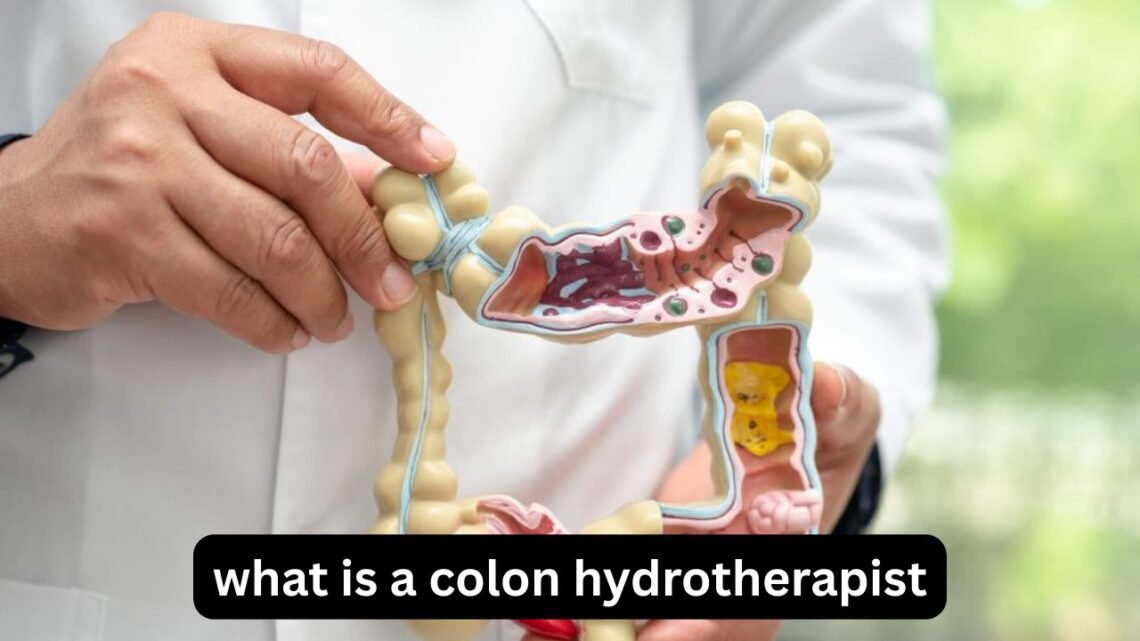
You may have heard someone say they “feel lighter” after a colonic, or perhaps you are considering colon hydrotherapy because of bloating, constipation, or the feeling that your digestive system needs a reset. That can lead to a very reasonable question: what is a colon hydrotherapist, and what exactly do they do?
A colon hydrotherapist is a practitioner who provides colon hydrotherapy, also called colonic irrigation or a colonic. During the procedure, water is introduced into the rectum through a tube to flush material from the lower large intestine. It is generally offered as a complementary or wellness treatment rather than as a standard medical treatment.
The important distinction is that a colon hydrotherapist is not automatically a doctor, gastroenterologist, or other medical specialist. Training, licensing and professional standards can vary considerably depending on where you live.
This guide explains what happens during a session, what colon hydrotherapy may and may not accomplish, how it differs from an enema and medical bowel preparation, and—most importantly—when the risks outweigh the potential benefits.
What Does a Colon Hydrotherapist Do?
A colon hydrotherapist performs colon hydrotherapy using specialized equipment designed to introduce water into the rectum and allow fluid and waste to leave the body.
A typical appointment may involve:
- A health and medical-history discussion.
- Explanation of the procedure and equipment.
- Positioning on a treatment table.
- Careful insertion of a small tube into the rectum.
- Controlled introduction and release of water.
- Monitoring for discomfort, cramping or other symptoms.
- Removal of the equipment and basic aftercare advice.
The exact technique varies between practitioners and clinics.
A responsible practitioner should also ask about existing medical conditions, previous bowel or rectal surgery, medications and symptoms before proceeding. If a practitioner immediately recommends a colonic without asking about your health history, that should be treated as a warning sign.
Is a colon hydrotherapist a medical professional?
Not necessarily.
The title describes someone who performs colon hydrotherapy, but it does not automatically mean the person is medically qualified to diagnose digestive diseases. Professional requirements vary by country, state, province and local regulations.
This distinction matters because symptoms such as persistent constipation, abdominal pain, rectal bleeding or unexplained changes in bowel habits can have medical causes that require proper diagnosis.
A colon hydrotherapist should not replace a doctor when a medical problem may be present.
What Is Colon Hydrotherapy Supposed to Do?
Colon hydrotherapy is often marketed around ideas such as cleansing, detoxification, improved digestion, increased energy or relief from constipation.
The physical effect is simpler: water is introduced into the large intestine, which can stimulate bowel movements and remove stool and fluid from the treated portion of the bowel.
That does not mean the procedure has been proven to “remove toxins” throughout the body.
Your digestive system and other organs already perform waste-processing and elimination functions. Major medical sources do not recommend routine colon cleansing as a way to detoxify the body, and there is no good evidence that healthy people need regular colonics to keep their colon functioning normally.
This is one of the most important practical distinctions to understand: a procedure can produce a noticeable physical effect without proving all the health claims sometimes attached to it.
Colon Hydrotherapist vs. Gastroenterologist
These two roles are very different.
| Colon Hydrotherapist | Gastroenterologist |
|---|---|
| Provides colon hydrotherapy | Diagnoses and treats digestive diseases |
| Usually works in complementary or wellness settings | Medical specialist |
| May not be medically licensed | Medical degree and specialist training |
| Does not normally diagnose bowel diseases | Can investigate symptoms and diagnose conditions |
| Focuses on the hydrotherapy procedure | Treats conditions involving the digestive system |
For example, imagine someone has been constipated for three months.
A colonic might temporarily empty stool from the bowel, but it does not necessarily explain why constipation is happening. Causes can include medications, dietary factors, dehydration, thyroid problems, pelvic-floor dysfunction and various gastrointestinal conditions.
In that situation, finding the cause is more important than repeatedly emptying the colon.
What Happens During a Colonic?
People often feel anxious because they do not know what to expect.
Before the procedure, you should normally receive an explanation of the equipment, the process and possible risks. You may be asked questions about your health and bowel symptoms.
During the treatment, a tube is inserted into the rectum. Water is then introduced in a controlled manner, and fluid and stool leave through the system.
Some people experience abdominal fullness, pressure or cramping. You may also feel the urge to have a bowel movement.
A good practitioner should take discomfort seriously rather than telling you that significant pain is simply part of “detoxing.”
What should it feel like?
Experiences vary, but severe pain should not be treated as something you simply have to tolerate.
If you experience significant pain, bleeding, dizziness, faintness or another concerning symptom, the procedure should be stopped and medical advice should be considered.
This is a useful practical rule: don’t allow the language of “cleansing” to override ordinary safety signals from your body.
Does Colon Hydrotherapy Help Constipation?
This is one of the most common reasons people consider a colonic.
A colon hydrotherapy session can remove stool and may make someone feel temporarily emptied. However, that is not the same thing as treating chronic constipation.
Persistent constipation deserves attention to its underlying cause. Cleveland Clinic specifically cautions against using colon cleansing as a routine solution for constipation because underlying problems can otherwise go undiagnosed.
For instance, if constipation is related to an underlying medical condition, repeatedly having colonics may provide temporary relief while the real problem continues.
A better approach is to ask:
Why am I constipated in the first place?
Depending on the situation, a healthcare professional may consider diet, fluid intake, medications, physical activity, bowel habits and medical causes.
Is Colon Hydrotherapy the Same as an Enema?
No.
Although both involve introducing liquid through the rectum, they are not identical.
An enema generally introduces a smaller amount of liquid into the rectum or lower colon to stimulate evacuation.
Colon hydrotherapy generally involves repeated or controlled introduction and release of water through a tube, with the intention of flushing a larger portion of the large intestine.
There is another important distinction: medical bowel preparation for a colonoscopy is different again.
Before a colonoscopy, patients may be prescribed specific laxative solutions that cause extensive bowel emptying so a clinician can properly examine the colon. That is a medically directed preparation with a specific diagnostic purpose—not the same as a wellness colonic.
What Are the Risks of Colon Hydrotherapy?
This is where online discussions about colonics can become misleading.
Colon hydrotherapy is not risk-free. Reported complications of colon cleansing include dehydration, electrolyte disturbances, infection, bleeding and, rarely, perforation of the rectum or colon.
Potential problems include:
- Abdominal cramping
- Bloating
- Diarrhea
- Dehydration
- Electrolyte imbalance
- Rectal or bowel injury
- Infection
- Bleeding
- Worsening of certain bowel conditions
The risks can become more significant when someone has an existing medical condition or when the procedure is performed improperly.
Cleveland Clinic advises particular caution for people with conditions such as Crohn’s disease, ulcerative colitis, diverticulitis, ischemic colitis, kidney disease or heart disease, as well as people who have previously undergone colon surgery.
Who should avoid a colonic?
There is no universal checklist that replaces individual medical advice, but people with significant digestive disease, previous bowel surgery, kidney or heart problems, suspected bowel obstruction or other relevant medical conditions should speak with a healthcare professional before considering colon cleansing.
Pregnancy, medications and unexplained digestive symptoms are also reasons to seek individualized advice rather than relying solely on a wellness practitioner’s screening.
How to Choose a Colon Hydrotherapist
If you are considering the procedure despite the limitations and risks, choosing the practitioner carefully matters.
Look for someone who:
- Clearly explains the procedure before starting.
- Asks about your medical history.
- Explains possible risks rather than promising guaranteed benefits.
- Uses appropriate hygiene and sanitation procedures.
- Uses properly maintained equipment.
- Provides clear information about qualifications and training.
- Knows when to refuse treatment and refer someone to a doctor.
- Does not pressure you into buying a package of repeated treatments.
Ask specific questions before booking.
Questions worth asking
What training have you completed?
Do not be satisfied with a vague answer such as “I am certified.” Ask what organization provided the training and what the certification actually covers.
What happens if I have pain or bleeding?
The practitioner should have a clear answer and an emergency or referral procedure.
What equipment do you use?
You should understand how the equipment is cleaned, maintained and whether disposable components are used where appropriate.
What conditions would make you refuse treatment?
A cautious practitioner should recognize that not everyone is an appropriate candidate.
Are you claiming this will detox my body or cure a disease?
If the answer is yes, be particularly skeptical. Claims that colon cleansing removes unspecified toxins or cures diseases are not supported by good scientific evidence.
Three Things Many People Don’t Realize
1. Feeling “empty” isn’t proof that your colon was unhealthy
After a colonic, someone may feel lighter because stool and fluid have been removed. That immediate sensation is real, but it does not demonstrate that harmful substances were accumulating in the colon.
This is an important difference between an experience and a medical conclusion.
2. Repeated colonics can create the wrong feedback loop
Someone with constipation may notice temporary relief after a session and conclude that they need another one whenever symptoms return.
But if an underlying cause is never investigated, the cycle can become: constipation → colonic → temporary relief → constipation → another colonic.
The more useful question is why bowel movements are consistently difficult in the first place.
3. A practitioner who says “everyone needs this” is giving you a reason to pause
Healthy intestines are not like household plumbing that periodically needs flushing.
There is no established medical requirement for healthy people to schedule routine colonics to keep their colon “clean.” Medical sources specifically reject routine colon cleansing as necessary for detoxification.
That does not mean every person who provides colon hydrotherapy is careless or dishonest. It means claims should be evaluated separately from the procedure itself.
Common Mistakes People Make
Mistake 1: Treating a wellness procedure as a diagnostic test
A colonic does not tell you whether you have inflammatory bowel disease, colon cancer, a thyroid problem or another medical condition.
Mistake 2: Assuming diarrhea means detoxification
Loose stool after a cleansing procedure primarily indicates that the bowel has been stimulated and emptied. It is not reliable evidence that unspecified toxins have left your body.
Mistake 3: Ignoring persistent symptoms
If you repeatedly experience constipation, abdominal pain, blood in your stool, unexplained weight loss or a significant change in bowel habits, seek medical evaluation rather than repeatedly treating the symptom with colonics.
Mistake 4: Choosing a practitioner based only on reviews
Positive reviews can tell you about customer experience, but they cannot establish medical safety or prove that health claims are legitimate.
Training, hygiene, screening procedures and willingness to refer patients are more meaningful questions.
When Should You See a Doctor Instead?
A doctor or gastroenterologist is the better starting point when symptoms are persistent, severe, unexplained or changing.
Seek prompt medical attention for concerning symptoms such as significant rectal bleeding, severe abdominal pain, persistent vomiting, fainting or symptoms suggesting a bowel obstruction.
Even less dramatic symptoms can deserve evaluation when they continue for weeks or repeatedly return.
The goal should not simply be to make the bowel empty. It should be to understand whether the bowel is functioning normally and, if it is not, why.
FAQ
What is a colon hydrotherapist?
A colon hydrotherapist is a practitioner who provides colon hydrotherapy, also known as a colonic or colonic irrigation. The procedure involves introducing water into the rectum and allowing fluid and bowel contents to leave through a tube. Colon hydrotherapists are not necessarily doctors or gastroenterologists, and qualifications vary by location.
What does a colon hydrotherapist actually do?
They typically assess whether a client is suitable for the procedure, explain what will happen, position the client and perform colon hydrotherapy using specialized equipment. A responsible practitioner should also ask about medical history and recognize situations requiring medical referral. The procedure itself is intended to flush stool and fluid from the large intestine.
Is colon hydrotherapy good for constipation?
It may temporarily empty stool from the bowel, but that does not mean it treats the underlying cause of chronic constipation. Persistent constipation can have many causes and may require medical assessment. Repeated colon cleansing should not be used as a substitute for finding out why constipation keeps occurring.
Is colon hydrotherapy the same as an enema?
No. An enema generally uses a smaller amount of liquid to stimulate evacuation from the rectum or lower colon, while colon hydrotherapy typically involves controlled water introduction and drainage through specialized equipment. Medical bowel preparation for procedures such as colonoscopy is different again and is specifically designed to clear the bowel for examination.
Are colonics safe?
Colonics are not risk-free. Possible complications include dehydration, electrolyte disturbances, infection, bleeding and, rarely, bowel or rectal perforation. People with certain digestive, kidney, heart or surgical histories may face greater risks and should speak with a healthcare professional before considering colon cleansing.
Does colon hydrotherapy detox the body?
There is no good evidence that routine colon cleansing removes general “toxins” from the body or provides the broad health benefits sometimes advertised. Your body already has systems for processing and eliminating waste. Colon hydrotherapy physically empties bowel contents, but that should not be confused with a medically established detoxification treatment.
Conclusion
A colon hydrotherapist provides a wellness procedure designed to flush the large intestine with water. The treatment may produce a temporary feeling of bowel emptying, but it should not be confused with medical diagnosis, colonoscopy preparation or proven detoxification.
The most important practical point is to separate what the procedure physically does from what it is advertised to accomplish. A colonic can empty bowel contents; that does not establish that a person’s body contained harmful “toxins” or that the treatment has cured an underlying digestive problem.
If you are considering colon hydrotherapy, investigate the practitioner’s training, ask how safety and hygiene are handled, disclose your medical history and be wary of promises that sound too broad.
And if you are seeking a colonic because of persistent constipation, pain or another recurring digestive symptom, the most useful first step may not be finding a hydrotherapist at all. It may be finding out why the symptom is happening.